FREE SHIPPING FOR ORDERS OVER $2500 – DISCOUNTS ARE IN BLOOM! 30% OFF ALL CLOSETS!
DISCOUNTS ARE IN BLOOM! 30% OFF ALL CLOSETS!


Ciri Blog
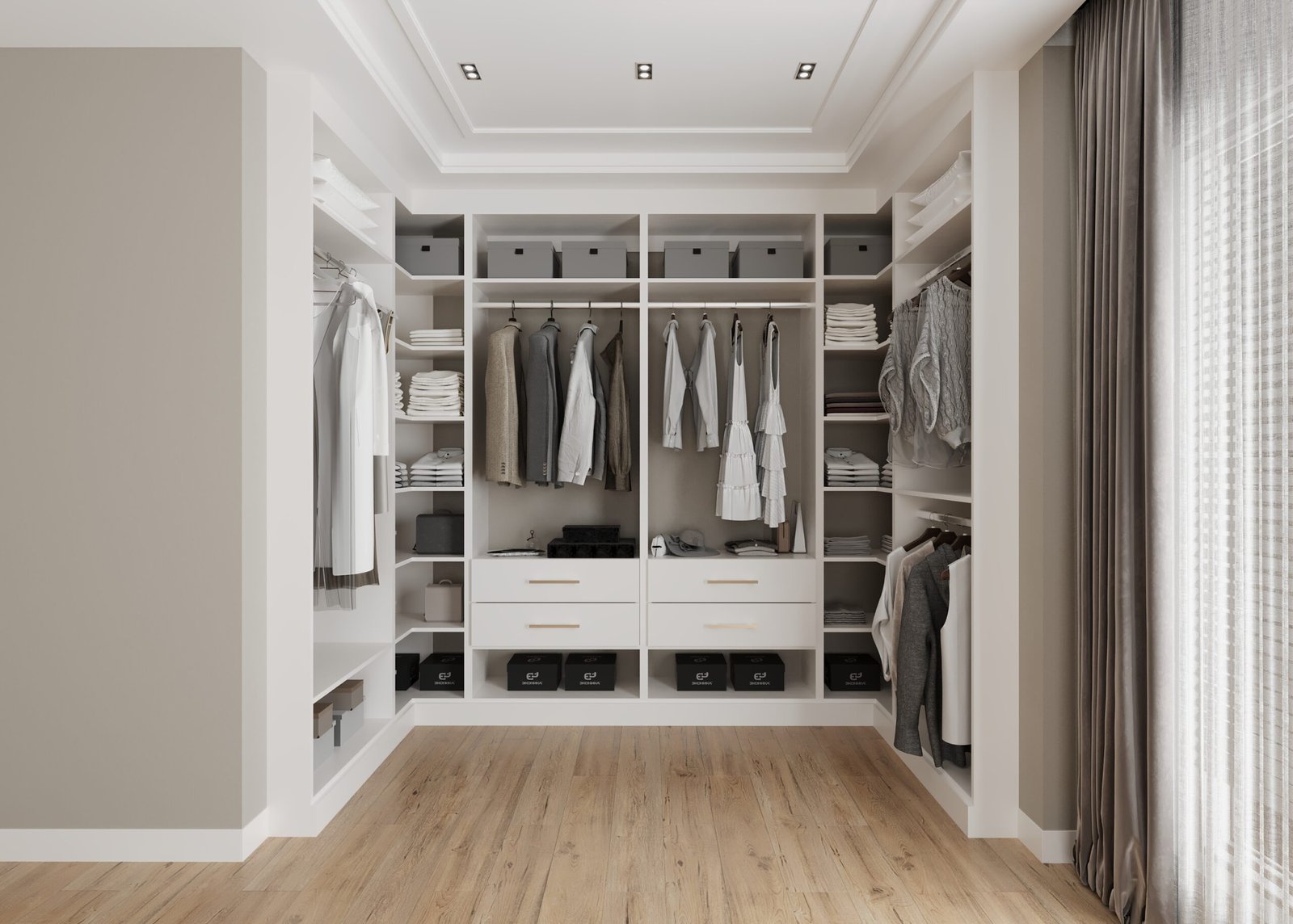
How to Choose the Perfect Wardrobe for Your Bedroom in the USA
Understanding Your Storage Needs
Selecting the ideal wardrobe for a bedroom begins with a clear understanding of storage requirements. With varying preferences, room sizes, and lifestyles across the United States, each individual’s storage needs are unique and demand careful assessment. Wardrobes are versatile, and the right choice depends on factors such as the volume, type, and organization of items that need to be stored.
Evaluate the Volume of Items
The first step in determining storage requirements is assessing the number of clothing items and accessories. For individuals with a minimalist wardrobe, a compact and streamlined design may suffice, while those with extensive collections, including seasonal clothing, shoes, and specialty items, may benefit from larger wardrobes with customized storage solutions.
Categorize and Organize
Understanding the types of items to be stored helps ensure efficient organization. Dresses, jackets, and suits may require taller sections with hanging space. Folded clothing such as t-shirts and sweaters may fit best in shelves or drawers. Accessories like belts, scarves, and jewelry would benefit from compartments or dividers for ease of access and organization.
Account for Room Size
The physical size of the room plays a crucial role in determining the storage layout. Smaller bedrooms may necessitate space-saving options, such as sliding-door wardrobes or designs with integrated mirrors to minimize clutter. Larger rooms, on the other hand, allow for more expansive wardrobes that incorporate extra compartments and features.
Consider Future Changes
Wardrobe storage requirements can evolve over time due to lifestyle changes, relocation, or adjustments in wardrobe size. Opting for modular or expandable wardrobe designs ensures adaptability and longevity, allowing users to reconfigure or expand storage as needed.
By analyzing personal and spatial needs with attention to these considerations, homeowners can make informed choices and select wardrobes that harmonize with their lifestyle and bedroom dimensions.
Assessing Your Bedroom Space and Layout
Selecting the ideal wardrobe for a bedroom begins with a meticulous evaluation of the available space and the overall layout of the room. Understanding the dimensions and physical constraints helps determine what size and type of wardrobe can fit seamlessly without overcrowding the area or disrupting functionality.
To start, measure the bedroom’s dimensions, including wall heights, lengths, and floor space. Consider any obstructions such as windows, doors, radiators, baseboard moldings, or ceiling slopes that could impact placement or size. Take note of corners and other less-utilized areas that may accommodate a wardrobe. Using these measurements ensures wardrobes will fit without requiring adjustments or encroaching on pathways.
Pay special attention to the room’s layout and its traffic flow. Furniture arrangement must allow for the wardrobe doors, whether they swing open or slide, to operate without hindrance. For rooms with tight spaces, sliding-door wardrobes or compact built-in options may be more practical solutions. Conversely, larger bedrooms can accommodate grander free-standing or walk-in wardrobe designs.
Lighting is another crucial factor to assess. Determine whether the wardrobe will block natural light sources or whether it requires additional lighting, such as integrated LED strips, to illuminate dark corners. Identifying the wardrobe’s proximity to electrical outlets for any lighting or accessories can further streamline functionality.
Finally, consider the balance between aesthetics and ergonomics. A wardrobe should align with the room’s design elements, such as color schemes and style preferences, while offering sufficient storage to maximize efficiency. By thoroughly analyzing the room’s space and layout, individuals can ensure their wardrobe choice blends both style and practicality effectively.
Exploring Different Wardrobe Types Available in the USA
Choosing the right wardrobe begins with understanding the diverse options available in the market. Wardrobes vary based on functionality, design, size, and material. Exploring these different types helps homeowners find a solution that aligns with their space and storage needs.
Freestanding Wardrobes
Freestanding wardrobes are versatile storage solutions, popular for their portability and ease of installation. They typically feature an enclosed structure with hinged or sliding doors. Manufactured in various sizes, these wardrobes are ideal for renters or individuals who prefer flexibility in their furniture arrangement. Common materials for freestanding wardrobes include wood, MDF, metal, or engineered panels.
Built-In Wardrobes
Built-in wardrobes offer a permanent solution tailored to fit the dimensions of a room. This design maximizes storage space by integrating features like shelves, drawers, hanging rods, and mirrors. Built-in models are especially popular in contemporary homes due to their aesthetic appeal and customization options. Contractors or interior designers often assist homeowners in creating functional and stylish built-in wardrobes.
Sliding Door Wardrobes
Sliding door wardrobes are a practical choice for spaces with limited room for door clearance. The sliding mechanism allows users to access sections of the wardrobe without opening outward doors, preserving floor space. These wardrobes come in various designs, such as mirrored panels, frosted glass, or decorative patterns, making them suitable for modern bedrooms.
Walk-In Wardrobes
Walk-in wardrobes provide a luxurious storage experience. These large, open spaces are designed to accommodate extensive collections of clothing, shoes, and accessories. Walk-in wardrobes often include integrated lighting, custom shelving, and organizational systems, giving homeowners complete control over how items are arranged. While they require significant space and investment, they offer unmatched elegance and convenience.
Modular Wardrobes
Modular wardrobes combine functionality with adaptability. They feature pre-designed compartments or panels that can be assembled to create a tailored storage solution. Modular wardrobes are suitable for a growing collection or changes in lifestyle needs, as they can be easily expanded or reconfigured. This option is commonly manufactured with lightweight but durable materials.
Armoires and Vintage Designs
Armoires are ornate, freestanding wardrobes that traditionally include hanging space and drawers. These pieces are often crafted from hardwood and embody vintage aesthetics, making them a charming addition to both rustic and classic interiors. Armoires remain a popular choice for individuals who appreciate timeless designs and intricate craftsmanship.
By exploring these wardrobe options available in the USA, homeowners can evaluate their preferences based on room dimensions, design styles, and intended use. Each type offers unique features and benefits that cater to diverse storage requirements.
Selecting the Right Material for Durability and Style
Choosing an appropriate material for a bedroom wardrobe is essential to its longevity, functionality, and aesthetic value. Different materials offer distinct benefits, whether prioritizing sturdiness, affordability, or visual appeal.
Wood: Timeless and Versatile
Wood remains one of the most popular choices for wardrobes due to its durability and sophisticated appearance. Solid wood, such as oak, maple, or cherry, ensures the wardrobe resists wear and maintains its structure for years. Engineered woods, such as plywood or medium-density fiberboard (MDF), offer cost-effective alternatives with a similar finish to solid wood but may lack the same level of strength. Wooden wardrobes can complement various interior styles, from traditional to contemporary, and can be stained or painted for added customization.
Metal: Industrial Durability
Metal wardrobes provide robust structural integrity and are ideal for modern or industrial-style bedrooms. Aluminum or stainless steel options are lightweight yet sturdy, ensuring lasting use. Additionally, metal wardrobes are often resistant to damage caused by moisture, making them a good fit for humid climates or homes with fluctuating temperatures. While their sleek finish appeals to a minimalist aesthetic, they may lack the warmth and welcoming ambiance of natural materials.
Laminate and Acrylic: Affordable Yet Stylish
Laminate and acrylic materials are popular choices for individuals seeking affordability without compromising visual appeal. Laminate wardrobes feature a protective outer coating that resists scratches, stains, and fading, making them suitable for high-traffic bedrooms. Acrylic wardrobes, on the other hand, offer a glossy, polished appearance, adding a touch of sophistication. Both materials come in a variety of colors and designs, allowing flexibility in matching home décor.
Hybrid Designs: Combining Functionality
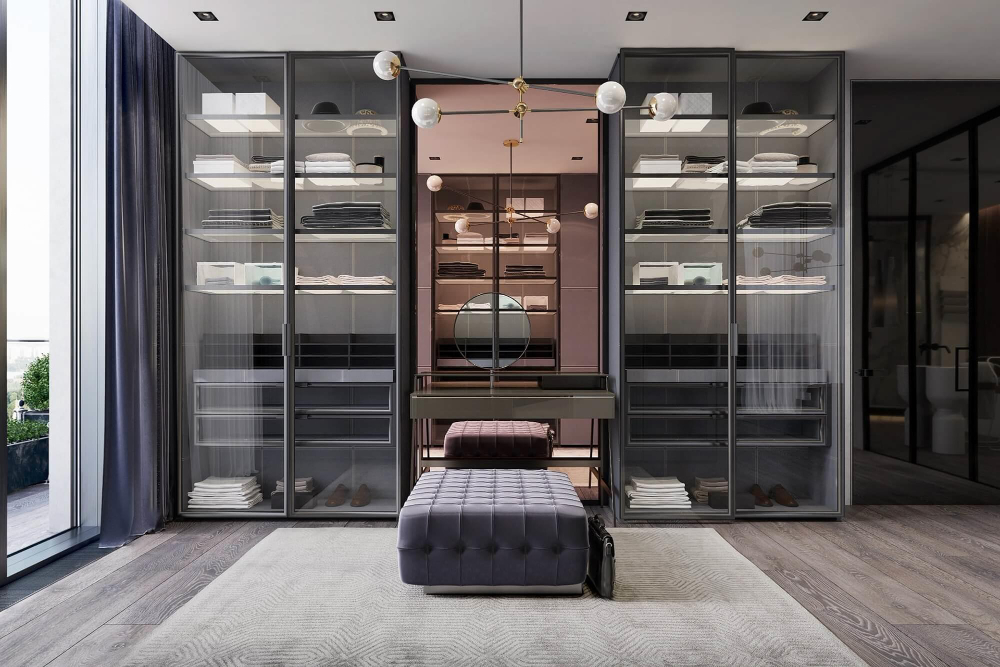
Some wardrobes integrate multiple materials, combining the advantages of each. For example, a wooden frame paired with glass doors could enhance elegance while maintaining durability. Hybrid designs allow homeowners to balance practical needs with stylistic preferences, ensuring the wardrobe seamlessly aligns with their bedroom design goals.
When selecting materials, it is vital to consider aspects such as maintenance requirements, weight capacity, and compatibility with interior themes. Assessing these factors ensures the wardrobe delivers both durability and style for years to come.
Choosing Between Sliding Doors, Hinged Doors, and Open Designs
When selecting a wardrobe for the bedroom, the door type plays a crucial role in functionality, space utilization, and aesthetic appeal. Exploring the features of sliding doors, hinged doors, and open designs helps identify the best fit for individual preferences and room layout.
Sliding Doors
Sliding doors are an excellent choice for bedrooms with limited space. These doors glide horizontally along tracks, ensuring no extra clearance is needed for opening or closing. Ideal for modern interiors, sliding doors typically provide a sleek, streamlined look. They often incorporate materials like glass, mirrors, or laminates to enhance visual appeal and functionality. Built-in mirrors on sliding doors serve as a practical addition and create a sense of spaciousness by reflecting light. However, sliding door wardrobes may have slightly restricted access as only one section can be opened at a time.
Hinged Doors
Hinged door wardrobes are a versatile and classic option, well-suited for both traditional and contemporary bedroom designs. These doors swing outward on hinges, requiring sufficient clearance space in front of the wardrobe. Hinged doors offer full access to the interior, making them ideal for those who frequently reorganize or need better visibility. Additionally, they accommodate customization elements like door hooks or mounted accessories on the inner panel. Although practical, this option may not be ideal for compact bedrooms due to its space demands.
Open Designs
Open wardrobe designs cater to minimalistic and modern interiors. By excluding doors entirely, this option eliminates the need for clearance and fosters an open, airy appearance. This design allows better visibility of stored items, promoting organization and accessibility. Open designs also enable flexible arrangements with modular shelving and drawers. However, they demand consistent upkeep to ensure a tidy appearance since items remain exposed. Dust and unorganized displays might detract from the aesthetic appeal, making open designs better suited for disciplined users.
Choosing between these options depends on the bedroom’s size, design preferences, and functional needs.
Incorporating Smart Storage Solutions for Organization
When selecting a wardrobe for a bedroom, integrating smart storage solutions is critical to ensure functionality and organization. A wardrobe should not only complement the room’s style but also optimize available space while catering to the user’s unique storage needs. Cleverly designed storage options help minimize clutter, create order, and enhance the overall convenience of the space.
Modular Shelving and Compartments
A wardrobe designed with modular shelving offers flexibility for accommodating various types of clothing and accessories. Adjustable shelves allow users to reorganize according to seasonal needs or changing wardrobe sizes. Dedicated compartments for smaller items, such as underwear, socks, or belts, ensure that frequently used essentials remain accessible and well-organized.
Built-in Drawers and Pull-out Trays
Drawers built into the wardrobe can help separate clothing categories, offering neat storage for folded items like t-shirts, sweaters, and pajamas. Pull-out trays are particularly effective for organizing jewelry, ties, or watches. These trays often include soft liners to protect delicate items from damage.
Hanging Rails for Versatility
Multi-height hanging rails provide the versatility needed for storing longer garments, such as dresses or coats, alongside shorter items like shirts or jackets. Incorporating an adjustable rail system ensures that the wardrobe accommodates wardrobes at various stages of life, from casual wear to formal attire.
Hidden and Slide-out Features
Wardrobes with hidden compartments or slide-out elements, like shoe racks or accessory cabinets, maximize space and enhance functionality. These concealed features help in maintaining a clean aesthetic while offering additional storage without occupying extra room.
Incorporating Technology
Some wardrobes come with built-in lighting systems, making it easier to locate specific items in low-light conditions. Automated features, such as sensor-activated lights or soft-close mechanisms for drawers and doors, are practical additions that modernize the wardrobe experience.
By utilizing these smart storage solutions, wardrobes become indispensable tools for enhancing bedroom organization and achieving a tailored storage system that adapts to personal needs.
Prioritizing Aesthetic Appeal to Match Your Bedroom Decor
Selecting a wardrobe for the bedroom involves more than finding functional storage; it requires attention to design elements that harmonize with the overall decor. In the USA, where interior design trends vary from coastal chic to farmhouse modern, choosing a wardrobe that complements the aesthetic tone of the room is a critical consideration.
Focus on Style and Design
Every wardrobe carries an inherent style, such as sleek minimalism, vintage charm, or ornate craftsmanship. The buyer should evaluate whether the wardrobe’s design aligns with the prevailing theme in the bedroom. For instance, a wardrobe with clean lines and reflective surfaces may suit a modern or contemporary setup, while distressed wood finishes better integrate with rustic or country-style decorations.
Coordinate Colors
Choosing the right wardrobe color can dramatically influence the cohesion of the room. Colors such as white, off-white, or gray work well for neutral palettes, providing a timeless and versatile appearance. Conversely, darker hues like espresso or black can create bold contrasts and pair beautifully with deeper wall tones. Buyers aiming to make a statement might consider wardrobes with two-tone finishes or vibrant patterns that add flair to the room.
Material Matters
The material of the wardrobe not only affects durability but also impacts its visual appeal. Solid wood wardrobes offer a classic, luxurious look, while options in laminate or engineered wood often cater to modern, budget-friendly designs. Metal and glass wardrobes, popular in industrial or contemporary interiors, provide a sleek and sophisticated feel. Buyers should assess how material textures interact with other bedroom furnishings for a harmonious effect.
Consider Wardrobe Features as Decorative Elements
Some wardrobes offer intricate details, such as paneled doors, mirrored fronts, or carved embellishments, which enhance the decor while serving functional needs. Sliding doors with frosted glass or wardrobes featuring integrated LED lighting are examples of designs that blend practicality with aesthetic value. These features can reinforce decorative themes and subtly elevate the ambiance of the room.
“A wardrobe can become a focal point, enhancing both style and utility when thoughtfully chosen to complement the decor.”
By carefully balancing functionality with aesthetic appeal, buyers ensure that their wardrobe contributes to a cohesive and inviting bedroom environment.
Budgeting Wisely Without Compromising on Quality
When selecting the perfect wardrobe for a bedroom, balancing financial constraints with superior quality is crucial to achieving long-term satisfaction. A well-considered investment ensures durability, functionality, and aesthetic appeal without overspending. Individuals must first establish a realistic budget tailored to their financial situation while maintaining a focus on value rather than cost alone. Examining the price-to-quality ratio for various options allows buyers to make informed decisions.
One effective strategy is to research materials commonly used in wardrobe construction. High-quality wood types, such as oak and walnut, or engineered materials like MDF and plywood, provide sturdiness and an elegant finish. Buyers may consider wardrobes constructed with a combination of solid materials and cost-effective solutions to meet both economic and aesthetic needs. Additionally, analyzing hardware such as hinges and handles ensures durability without sacrificing design.
Purchasing wardrobes during seasonal furniture sales or promotional events can result in substantial savings. Many US furniture retailers host annual clearance events or holiday-specific promotions. Staying alert to these offers can positively impact financial planning without sacrificing desired features or quality standards. Buyers should also review online marketplaces to compare prices and read customer reviews for valuable insights into product sustainment and reputation.
Customization plays an essential role in aligning a budget with needs. Opting for modular wardrobes or scalable designs accommodates storage requirements while allowing adjustability for future needs. Buyers are encouraged to prioritize functional compartments, such as drawers, shelves, and hanging spaces, rather than ornamental features that drive up costs.
Careful product examination is also necessary before making a purchase. Given the risks of compromising on quality, buyers should inspect craftsmanship, finishes, and pre-installed mechanisms thoroughly. Evaluating warranties is equally essential to ensure coverage for material defects or manufacturing faults—protection that adds value to the purchase without immediate costs.
A methodical approach promotes prudent spending while achieving quality and durability for the ultimate wardrobe solution tailored to individual preferences and budget limitations.
Eco-Friendly and Sustainable Wardrobe Options
As environmental consciousness grows, selecting a wardrobe made from sustainable materials and practices has become a priority for many. Furniture manufacturers in the USA are increasingly introducing eco-friendly options without compromising style or durability. Shoppers interested in reducing their carbon footprint or adopting a greener lifestyle can explore a range of sustainable wardrobe solutions.
Wardrobes crafted from reclaimed wood are an excellent choice. These allow for the reuse of materials from old buildings or discarded furniture, minimizing deforestation and waste. Reclaimed wood often displays unique textures and grains, adding character to bedroom interiors. Bamboo wardrobes are another sustainable option worth considering. Bamboo grows quickly and regenerates naturally, making it a renewable resource. Its natural finish complements a variety of décor styles and creates a soothing, organic aesthetic.
Finishes and adhesives also play a crucial role in sustainability. Low-VOC (Volatile Organic Compound) finishes reduce toxic chemical emissions and improve indoor air quality. Environmentally conscious consumers can look for labels such as GREENGUARD or certifications like CARB Phase 2 compliance to ensure their chosen wardrobe meets health and environmental standards.
Opting for furniture brands committed to sustainable production is another practical step. Some companies utilize fair labor practices, energy-efficient manufacturing, and responsibly sourced materials to create their products. Supporting these brands fosters the growth of ethical business practices.
Upcycling or purchasing pre-loved wardrobes can also present a sustainable alternative while adding a touch of vintage charm. By selecting durable and timeless designs, one can ensure longevity, reducing the need for frequent replacements. Transitioning to eco-friendly wardrobes is not only a thoughtful contribution to the environment but also an investment in health and well-being.
Tips for Customizing or Designing a Wardrobe for Your Needs
Customizing or designing a wardrobe allows individuals to optimize functionality and create a storage solution tailored to their specific preferences. To achieve this, one must focus on practical design principles while considering aesthetics and personal lifestyle requirements.
Assess Your Storage Needs
Understanding what items need storage is vital. Evaluate your wardrobe’s purpose—whether for clothing, accessories, shoes, or all of the above. Create a list detailing quantities and space allocation. For example, a person with a large collection of formal wear will benefit from spacious hanging sections, while someone with many shoes will require dedicated racks or compartments.
Plan the Layout
Functionality is a crucial factor. Incorporate sections for different storage needs, such as horizontal shelving for folded clothes, vertical hanging space for dresses and coats, drawers for smaller items, and dedicated compartments for jewelry or watches. Consider adjustable shelves and removable partitions for flexibility.
Utilize the Available Space
Measure the available space accurately to ensure the wardrobe fits seamlessly into the bedroom. If space is limited, sliding doors or wardrobe designs that utilize vertical storage can maximize functionality while maintaining a sleek appearance. Compact wardrobes with integrated mirrors can also enhance usability.
Choose Materials and Finishes
Materials and finishes influence durability and style. Opt for high-quality materials such as solid wood, engineered wood, or metal for sturdiness. Select finishes that complement the bedroom’s decor, such as matte, glossy, or textured options. Ensure the hardware, like hinges and handles, is reliable and aesthetically pleasing.
Incorporate Smart Features
Modern wardrobes can be equipped with technology-enhanced features. Consider adding built-in lighting for visibility, charging ports for convenience, or lockable compartments for security. These features can elevate the wardrobe’s practicality and functionality.
Prioritize Organization
Incorporate organizational accessories such as dividers, pull-out drawers, baskets, and hanging hooks. These elements will ensure that every item has its designated space, reducing clutter and enhancing efficiency.
Personalize the Design
Add personal touches like engraved details, unique patterns, or color combinations that resonate with individual style. Personalization not only enhances the aesthetic appeal but also adds character to the piece.
By thoughtfully customizing or designing the wardrobe, individuals can create solutions that cater to practical requirements while reflecting their tastes, ensuring an ideal balance between utility and design.
Factors to Consider When Shopping for Wardrobes Online in the USA
Shopping for wardrobes online offers convenience and a broader range of options compared to traditional stores. To ensure the purchase aligns with personal needs and preferences, several critical factors should be evaluated.
Dimensions and Space Requirements
Careful measurement of the available space in the bedroom is essential. Buyers should check for wardrobe dimensions listed on the product page and account for the width, height, and depth. Ensuring room space for doors, drawers, and accessibility is also essential for a properly fitting unit.
Material and Build Quality
Wardrobes are available in various materials, including solid wood, engineered wood, metal, and plastic variants. Pay attention to descriptions highlighting material quality and durability. Scrutinizing reviews for insight into sturdiness or customer concerns is another layer of assessing reliability.
Style and Design
Wardrobes come in diverse styles such as modern, rustic, or traditional. Matching the wardrobe design to existing bedroom décor contributes to a cohesive aesthetic. Online retailers often provide detailed images, allowing for visual comparison and easier decision-making.
Internal Storage Configuration
The functionality of the wardrobe depends significantly on its internal configuration. Reviewing details such as the number of shelves, hanging spaces, drawers, and compartments aids in determining how well the wardrobe aligns with storage needs. Some listings include adjustable features or organizational tools for greater flexibility.
Assembly and Delivery
Many online wardrobes require self-assembly upon delivery. Buyers should consider whether tools and instructions are provided and evaluate the time or expertise required. Checking delivery options, including shipping fees and estimated times, further ensures satisfaction with the purchase experience.
Pricing and Warranty
Assessing wardrobe prices and comparing them against competitors can help pinpoint the best value for money. Additionally, warranty or return policies offer reassurance in the event of manufacturing defects or damage during transit. Reading terms carefully prevents unexpected complications post-purchase.
Factors like user reviews, customer service responsiveness, and brand reputation are also relevant. Taking the time to assess these elements enhances the accuracy of the final decision and leads to a more satisfying purchase.
Ensuring Proper Installation and Maintenance for Longevity
Proper installation and consistent maintenance are essential for extending the lifespan of any wardrobe. Neglecting these aspects can lead to premature wear, stability issues, or even damage to the surrounding walls and flooring. For homeowners in the USA, paying attention to these details is especially important given the variations in room sizes, climates, and building materials.
Installation Best Practices
- Secure Placement: Wardrobes should be placed on an even surface to ensure stability. Using a spirit level can help identify any uneven flooring that might need addressing.
- Anchoring to Walls: For taller or heavier wardrobes, wall anchoring is recommended, especially in areas prone to earthquakes or high foot traffic. Anchors, screws, and brackets should be compatible with the wall material, such as drywall, concrete, or wood paneling.
- Professional Assembly: While many wardrobes come with DIY assembly instructions, professional installation may be a better option for complex or custom pieces. Professionals can ensure every panel, hinge, and fastener is securely fitted.
- Avoid Moisture Exposure: During installation, ensure the wardrobe is not in direct contact with damp surfaces. For rooms with higher humidity, consider using moisture barriers or dehumidifiers.
Regular Maintenance Tips
- Hinges and Sliding Mechanisms: Periodically tighten loose hinges and lubricate sliding tracks to prevent squeaks and enhance smooth operation.
- Cleaning Routine: Use a damp cloth for routine cleaning, avoiding abrasive chemicals that may damage finishes. Microfiber cloths work well for removing dust without scratching surfaces.
- Check for Damage: Inspect for signs of wear, such as warped panels, chipped paint, or loose shelves. Prompt repairs prevent small issues from escalating.
Long-Term Care Considerations
Wardrobes made from natural wood may require specific treatment, such as polishing or conditioning, to retain their luster and prevent cracking. Those with mirrored panels benefit from regular glass cleaner applications to maintain clarity. Following the manufacturer’s recommendations for care ensures the wardrobe sustains its design and durability for years. Proper installation and upkeep not only add value but also preserve functionality and aesthetics.
Devon Lane

- Design Services (1)
- Fashion (1)
- Genel (20)
- Home & Garden (1)
- Home & Lifestyle (1)
- Home Improvement (15)
- Interior Design (1)
- Smart Storage Solutions for Small Apartments 01/26/2026
- Closet Organization Tips for a More Functional Home 01/19/2026
- Unlocking Style and Functionality: The Benefits of Modular Closets for Modern Homes 01/12/2026
- Maximizing Your Living Space: The Benefits of Modular Closet Systems 01/05/2026
- Closet on a Budget: Smart Storage Ideas for Montgomery County Homes 12/26/2025