FREE SHIPPING FOR ORDERS OVER $2500 – DISCOUNTS ARE IN BLOOM! 30% OFF ALL CLOSETS!
DISCOUNTS ARE IN BLOOM! 30% OFF ALL CLOSETS!


Ciri Blog
Unlocking Style and Functionality: The Benefits of Modular Closets for Modern Homes
Introduction to Modular Closets
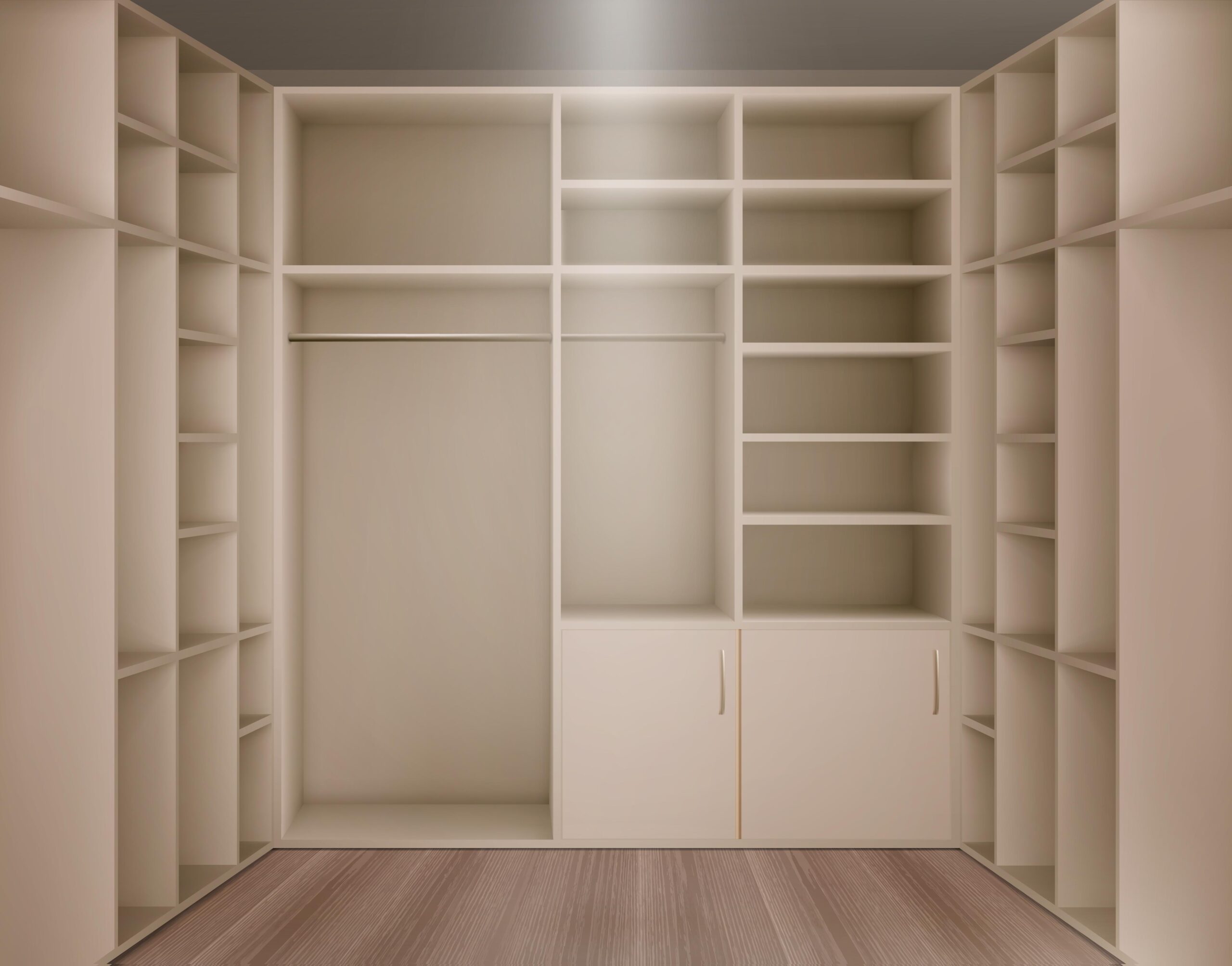
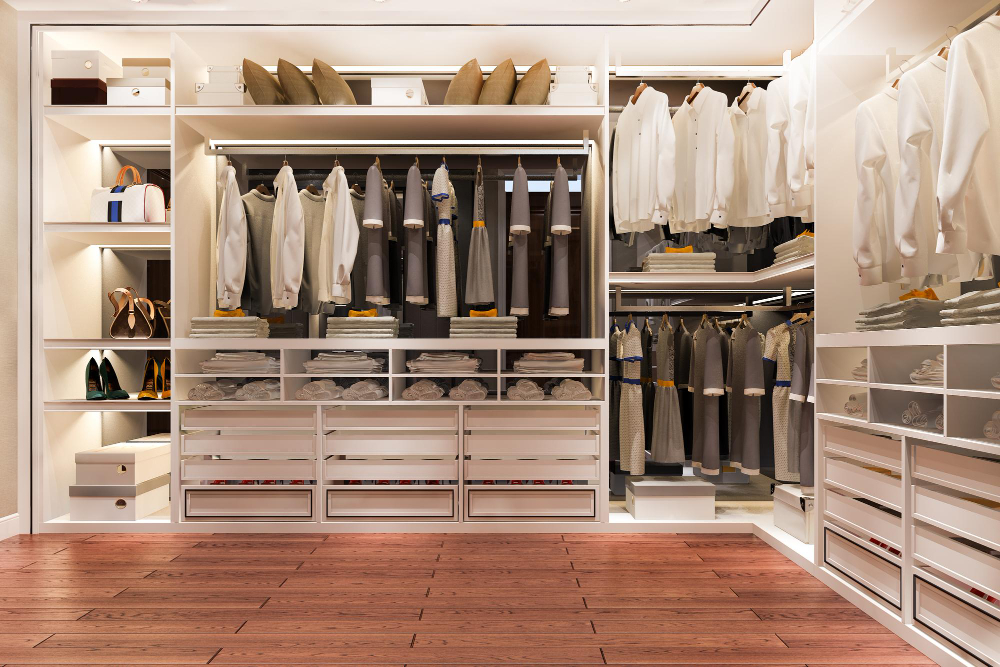
In contemporary interior design, modular closets have emerged as a popular choice among homeowners seeking effective storage solutions that cater to both style and functionality. Unlike traditional closets, which often come in fixed dimensions and configurations, modular closets offer a high degree of customization, making them an adaptable option for various spaces. These modern wardrobe systems are designed with the flexibility to adjust to individual needs, enhancing the overall usability of any room.
At their core, modular closets consist of individual components—such as shelves, drawers, and hanging rods—that can be reconfigured or expanded over time. This flexible storage design is particularly beneficial for those who may undergo lifestyle changes, such as expanding families or evolving fashion collections. By choosing customizable closet solutions, homeowners can modify their storage solutions to suit their current requirements, ensuring efficient use of space while keeping belongings easily accessible.
Furthermore, modular closets can be tailored to fit specific dimensions and styles, accommodating a range of aesthetic preferences that align with contemporary closet ideas. Homeowners can select finishes, colors, and materials that harmonize with their existing decor, creating a cohesive look throughout their living spaces. This level of personalization not only adds to the visual appeal of a home but also maximizes the functionality of the storage areas.
In today’s fast-paced world, the emphasis on efficient organization and streamlined living has elevated the importance of effective storage solutions like modular closets. Their capacity to offer both style and practicality makes them a compelling choice for anyone looking to optimize their living environment, presenting a perfect balance of contemporary design and efficient use of space.
Maximized Space Utilization
In the realm of home organization, maximized space utilization is a pivotal factor, especially in contemporary living environments. Modular closets exemplify this principle through their ability to efficiently utilize both vertical and horizontal space. Unlike traditional closets, which often fall short in terms of adaptability, modular closet systems offer an innovative approach to storage solutions.
One of the primary advantages of modular closets is the adjustable shelving they provide. Homeowners can customize their closet configurations based on their unique items, ranging from shoes and clothing to accessories and seasonal items. This flexibility allows for a tailored design that directly addresses the specific needs of the user, ensuring that every inch of available space serves a purpose. Modular systems can be installed in a variety of room dimensions, transforming even small corners into functional storage areas.
Additionally, the compatibility of modular closet solutions with various home styles cannot be underestimated. With contemporary closet ideas that integrate seamlessly with existing décor, these customizable systems promote a blend of style and practicality. Whether in a master bedroom, a nursery, or a hallway, a well-designed modular closet contributes to an aesthetic appeal while enhancing storage capabilities.
The concept of flexible storage design is a hallmark of modern wardrobe systems. Modular closets empower homeowners to create personalized setups that evolve with their lifestyles. As needs change—due to factors such as growing families or changing fashion trends—these closets can be reconfigured easily, ensuring that they remain relevant and effective. Thus, through their innovative designs, modular closets not only maximize space but also adapt to the ever-evolving requirements of modern living.
Customization and Personalization Options
One of the paramount modular closet benefits is the high degree of customization and personalization available to homeowners. Unlike traditional closets, which can be restrictive in design and functionality, modern wardrobe systems offer a vast array of materials, finishes, and colors that can be selected to harmonize with the overall decor of any room. This flexibility enables the creation of a unique space tailored to individual preferences, enhancing both aesthetics and practicality.
Homeowners can choose from a variety of materials such as wood, laminate, or metal, depending on the desired look and budget. Wood provides a classic and warm feel, making it a favorite for many. Laminate, on the other hand, offers versatility and durability, often available in an impressive range of finishes. Additionally, metal accents can add a contemporary touch, aligning perfectly with current contemporary closet ideas.
Furthermore, an extensive selection of colors allows for further personalization. From neutral tones that promote a sense of calm to bold hues that make a statement, the choice of color can significantly influence the ambiance. In combination with selected materials and finishes, homeowners can create truly customizable closet solutions that reflect their style.
The layout of a modular closet is another aspect ripe for personalization. By allowing for various configurations, users can maximize space efficiency while also ensuring their storage needs are met. For instance, modular systems may include options for adjustable shelving, hanging rods, shoe racks, or compartments specifically designed for accessories. Such flexible storage designs ensure that each closet not only functions well but also contributes to organized living.
Enhanced Organization and Accessibility
Modular closets are designed with flexibility in mind, empowering homeowners with customizable closet solutions that cater to their specific storage needs. One of the most notable modular closet benefits is the enhanced organization they provide through their structural design. Each component of a modular system is meticulously planned to offer dedicated spaces and built-in compartments for various items, ranging from clothing and accessories to shoes and more.
For instance, modern wardrobe systems often incorporate pull-out racks and adjustable shelving, facilitating easy access to items placed at the back of the closet. This feature eliminates the common frustration of rummaging through a disorganized heap of clothes and accessories, allowing users to swiftly identify and retrieve desired items. Such practical aspects of flexible storage design help maintain an orderly environment, making daily routines smoother and more efficient.
Additionally, the ability to personalize these closet systems means homeowners can integrate specific compartments that serve their lifestyles. For example, a modular closet can include tailored spaces for handbags, watches, or even seasonal clothing, ensuring that every item has its designated place. This is particularly beneficial for individuals with extensive wardrobes or unique collections, as it fosters a sense of clarity and promotes a streamlined approach to organization.
Furthermore, contemporary closet ideas often emphasize open designs that allow visibility of items stored within. This not only enhances accessibility but also transforms a closet space into a well-organized display. Ultimately, the modular design leads to a more organized space, making everyday life more manageable while showcasing individual style and creativity.
Sustainability and Eco-Friendliness
In recent years, sustainability has become a crucial consideration for homeowners seeking to create modern wardrobe systems that are not only functional but also environmentally friendly. One of the standout benefits of modular closets is their ability to integrate sustainable materials, which is a vital aspect when considering customizable closet solutions. Many manufacturers now prioritize eco-conscious production methods, utilizing materials that are sourced from renewable resources.
For instance, modular closet systems often feature components crafted from recycled or sustainably harvested wood, which significantly reduces the overall environmental impact. By choosing these systems, consumers contribute to the conservation of forests and diminish the demand for virgin materials, making a positive contribution to the planet.
Additionally, energy-efficient manufacturing processes are commonly employed in the production of modern closet designs. Companies are increasingly adopting practices that minimize energy usage, thereby lowering greenhouse gas emissions associated with manufacturing. This not only helps to create flexible storage designs but also appeals to eco-conscious individuals who are invested in reducing their carbon footprint.
Moreover, the durability of modular closet systems means they are built to last, which implies a reduced need for replacements over time, further supporting sustainability. When consumers invest in high-quality, long-lasting solutions, they inherently support a cycle that contributes less waste to landfills. Evidence suggests that longevity is an essential factor in environmental conservation, as it fosters a culture of mindful consumption.
Ultimately, incorporating modern closet ideas that emphasize sustainability not only enhances the functionality of a home but also aligns with the values of environmentally aware homeowners. As the movement toward greener living continues to grow, embracing the eco-friendly benefits of modular closets becomes a wise and purposeful choice.
Cost-Effectiveness Over Time
When considering storage solutions, the cost-effectiveness of modular closets becomes apparent, particularly when compared to traditional closet systems. Modular closet benefits center around their adaptability and durability, making them an ideal investment for modern wardrobe systems. While the initial investment may appear significant, the long-term advantages far outweigh the upfront cost.
One of the key attributes of customizable closet solutions is their flexibility. As household needs change, modular closets can be easily reconfigured or expanded to accommodate varying storage requirements. This adaptability means that homeowners do not need to invest in a completely new storage system when their needs shift, ultimately resulting in substantial cost savings.
Moreover, modular closets are built with high-quality materials that emphasize durability. Unlike traditional closet systems that may wear down over time, often requiring replacements or repairs, modular options are designed to last. This longevity translates to fewer expenses associated with maintenance or upgrades, contributing further to their cost-effectiveness.
From a real estate perspective, investing in modular closet systems can enhance the appeal of a property. Potential buyers are increasingly drawn to homes featuring modern and efficient storage solutions. By incorporating flexible storage design into their homes, sellers may find an increase in home value, making these closets not only a functional addition but also a compelling selling point. Ultimately, the financial benefits derived from modular closets can be substantial, making them a wise choice for contemporary spaces.
Easy Installation and Flexibility
One of the significant modular closet benefits is the ease of installation that these systems offer. Unlike traditional closet systems that often require professional help for installation, modular closets can typically be installed by homeowners themselves. This user-friendly approach not only saves on installation costs but also provides the satisfaction of a do-it-yourself project. With a few basic tools and clear instructions, individuals can quickly and efficiently set up their own systems, tailoring their closets to suit their individual needs.
The flexibility of modular closet systems extends beyond the initial installation. As lifestyles and storage needs change, these customizable closet solutions can be easily reconfigured or expanded. For instance, if a homeowner decides to move to a different room or even a different property, the modular components can be disassembled and relocated without difficulty. This adaptability makes them an intelligent investment for modern homes, where needs can change frequently. Furthermore, consumers can add or remove features such as shelves, drawers, and hanging rods to maintain their closet’s organization as personal collections grow or diminish.
Incorporating contemporary closet ideas with a flexible storage design allows homeowners to maximize their available space efficiently. Whether it’s to create a child’s closet that can evolve as the child grows or a professional’s storage that adapts to seasonal wardrobe changes, modular closets offer the perfect solution. The intuitive design elements mean that individuals can enjoy a cohesive and organized closet experience tailored to their specific style and storage needs.
Boosting Home Value and Appeal
In today’s competitive real estate market, the appeal of a home plays a significant role in its value. One efficient way to enhance this appeal is through the integration of modular closet benefits. These modern wardrobe systems not only streamline organization but also elevate the aesthetic of living spaces, making them more attractive to potential buyers.
Home buyers increasingly prioritize storage solutions that are not only functional but also customizable. Modular closets exemplify this trend, offering flexible storage designs that adapt to individual needs. These customizable closet solutions enable homeowners to utilize every inch of space, turning what could be a cluttered environment into a well-ordered sanctuary. This organization can directly contribute to a home’s marketability.
Moreover, contemporary closet ideas have become synonymous with sophistication and modern living. Potential buyers often envision how their own possessions would fit into well-designed closets, which creates a more appealing narrative during home tours. A home that boasts a thoughtfully designed closet showcases to prospective owners that it has been cared for and maintained thoughtfully; this can lead to higher offers and quicker sales.
Real estate trends suggest that homes with innovative storage options command better listings and can result in increased resale values. Therefore, investing in modular closets should be viewed as not just a convenience, but as a strategic decision that enhances overall property appeal. By providing a practical yet stylish solution to storage, modular closets not only meet current homeowner demands but also ensure that a property remains competitive and desirable in the ever-evolving housing market.
Conclusion and Final Thoughts
In today’s fast-paced world, efficient use of space is paramount, and modular closets offer a versatile solution to meet the demands of modern living. The benefits of modular closets extend beyond mere aesthetics; they provide a customizable closet solution that allows homeowners to optimize their storage options according to their unique lifestyles and preferences. By integrating modular elements, individuals can create flexible storage designs that adapt to changing needs, ensuring that every item has its designated place.
Modern wardrobe systems encompass a broad range of designs and configurations, making them suitable for various spaces, from small apartments to expansive homes. The ability to personalize these systems not only enhances organization but also contributes to a more visually appealing environment. Contemporary closet ideas emphasize functionality while maintaining a stylish appearance, proving that it is possible to combine elegance with efficiency.
Additionally, the adjustable nature of modular closets simplifies the process of reconfiguration, enabling users to switch layouts seasonally or as their wardrobe evolves. As families grow or lifestyles change, these adaptable systems ensure ongoing utility and satisfaction, making them a smart investment for any home.
Ultimately, embracing modular closet benefits can transform an ordinary area into a practical haven of personal style and order. Investing in customizable closet solutions not only improves everyday life but also enhances the overall value of the home. Readers are encouraged to explore various options available in the market, tailoring their selections to align with both their organizational needs and individual tastes. By doing so, one can foster a more structured yet stylish living environment.
Devon Lane

- Design Services (1)
- Fashion (1)
- Genel (20)
- Home & Garden (1)
- Home & Lifestyle (1)
- Home Improvement (15)
- Interior Design (1)
- Smart Storage Solutions for Small Apartments 01/26/2026
- Closet Organization Tips for a More Functional Home 01/19/2026
- Unlocking Style and Functionality: The Benefits of Modular Closets for Modern Homes 01/12/2026
- Maximizing Your Living Space: The Benefits of Modular Closet Systems 01/05/2026
- Closet on a Budget: Smart Storage Ideas for Montgomery County Homes 12/26/2025