FREE SHIPPING FOR ORDERS OVER $2500 – DISCOUNTS ARE IN BLOOM! 30% OFF ALL CLOSETS!
DISCOUNTS ARE IN BLOOM! 30% OFF ALL CLOSETS!


Ciri Blog
Closet Organization Tips for a More Functional Home
Introduction to Closet Organization
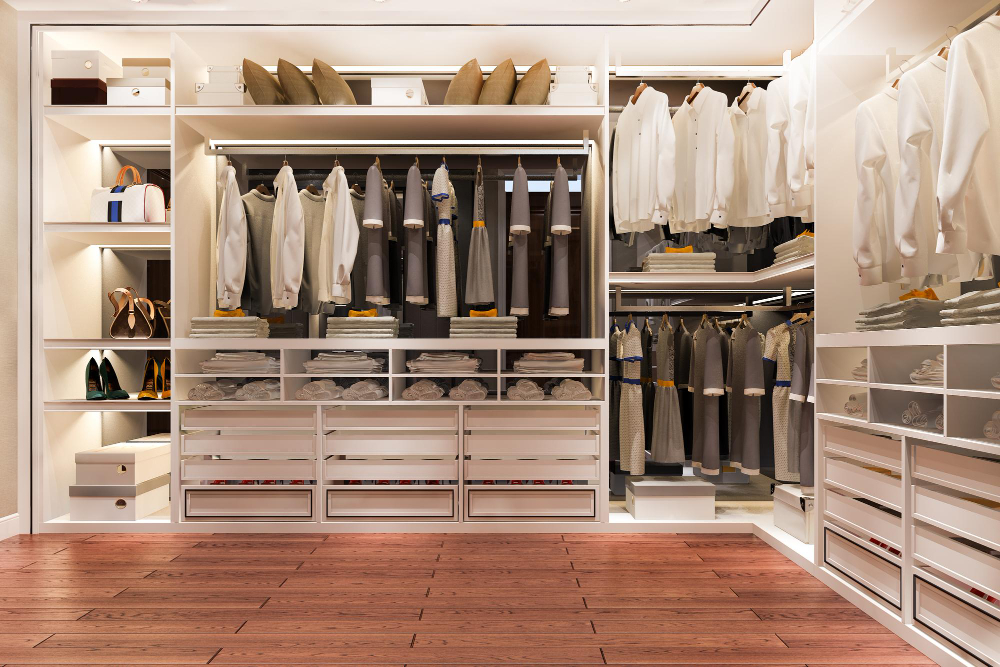
Closet organization is a crucial aspect of maintaining a functional and efficient home. A well-organized closet not only enhances the overall aesthetic of your living space but also increases productivity and reduces the time spent searching for items. In a world where time is of the essence, implementing effective wardrobe organization ideas can lead to smoother daily routines. Whether you are getting ready for work in the morning or selecting an outfit for a special occasion, a clutter-free environment significantly simplifies the decision-making process.
Furthermore, a disorganized closet can contribute to daily frustration and stress. Home organization guides often emphasize that a room filled with unnecessary clutter detracts from the possibility of enjoying your living space. Thus, efficient closet storage solutions can help create a tranquil and orderly environment. This, in turn, can motivate you to maintain cleanliness in other areas of your home, cascading the benefits of a practical closet organization approach throughout your living space.
This blog post will explore a variety of closet organization tips tailored to various needs and lifestyles. From optimizing space within small closets to selecting storage solutions that cater to your individual habits, these strategies aim to elevate your organizational capabilities. By implementing these tips, you can soon enjoy a functional and tidy environment that enhances the utility of your wardrobe. Read on to discover innovative ideas that will transform your closet into a perfectly organized space that embodies serenity and order.
Assessing Your Closet Space
Before diving headfirst into closet organization tips, it is crucial to start with an assessment of your current closet space. This initial evaluation allows you to understand what aspects of your closet are ineffective and which elements serve your needs well. Begin by observing how items are stored and how accessible they are. Are your clothes crammed together, or do you have ample room for your items? Evaluate storage solutions already in place, like shelves and hangers, and determine whether they are maximizing your available space.
One effective strategy for this process is to take inventory of the items you currently have in your closet. This serves a dual purpose: it aids in identifying clothing and accessories that you frequently use versus those that have been untouched for months or years. By documenting these items, you can better understand the volume of your belongings, which informs your subsequent wardrobe organization ideas. As you assess each piece, consider whether it fits your current style and needs. Items that no longer serve a purpose can be considered for donation or other home organization solutions.
Moreover, measuring your closet dimensions can guide you in envisioning practical closet organization strategies. Knowing the sizes of shelves, rods, and drawers allows you to plan better for effective closet storage solutions tailored to your personal circumstances. This preparation is foundational for establishing a functional home environment, ensuring you maximize every inch of space while creating a stylish and easily maintained closet. The assessment phase sets the stage for an organized closet—where accessibility and aesthetic appeal coexist harmoniously.
Decluttering: The First Step
Before diving into closet organization tips and exploring effective wardrobe organization ideas, the most crucial step is decluttering. This foundational process involves evaluating your belongings, creating a clean slate that paves the way for practical closet organization. Decluttering not only helps to create space but also facilitates a more manageable and organized environment.
Begin by emptying your closet completely, a step that allows you to see everything you own clearly. Sort your items into categories such as clothing, accessories, and footwear. A useful method is the “Four-Box Approach”: keep, donate, discard, and relocate. Each box serves a purpose; those that you wish to retain should be stored efficiently, while items in the donate box can help others. The discard box is for worn-out items that no longer serve a purpose, while the relocate box should be used for belongings that need to be put in a more suitable location.
When sorting through your belongings, ask yourself critical questions: Have I worn this in the last year? Does this match my current lifestyle? Items that no longer bring you joy or utility can successfully be eliminated from your collection. This process can be emotionally challenging, yet it offers numerous psychological benefits, including a sense of relief and satisfaction knowing that your space is less chaotic.
Maintaining a clutter-free closet is just as important as decluttering itself. Establish a routine wherein you periodically revisit your wardrobe, ensuring that items do not accumulate over time. Integrating these practices into your home organization guide can transform your space into a harmonious environment conducive to productivity and personal growth. Ultimately, embracing this decluttering strategy can set a positive tone for your overall approach to home organization.
Creating Functional Zones
One of the most effective closet organization tips involves the concept of zoning. Zoning is the practice of grouping similar items together, which can significantly enhance the functionality of your wardrobe. By creating dedicated areas for specific types of clothing and accessories, you can streamline your daily routine and reduce the time spent searching for what you need.
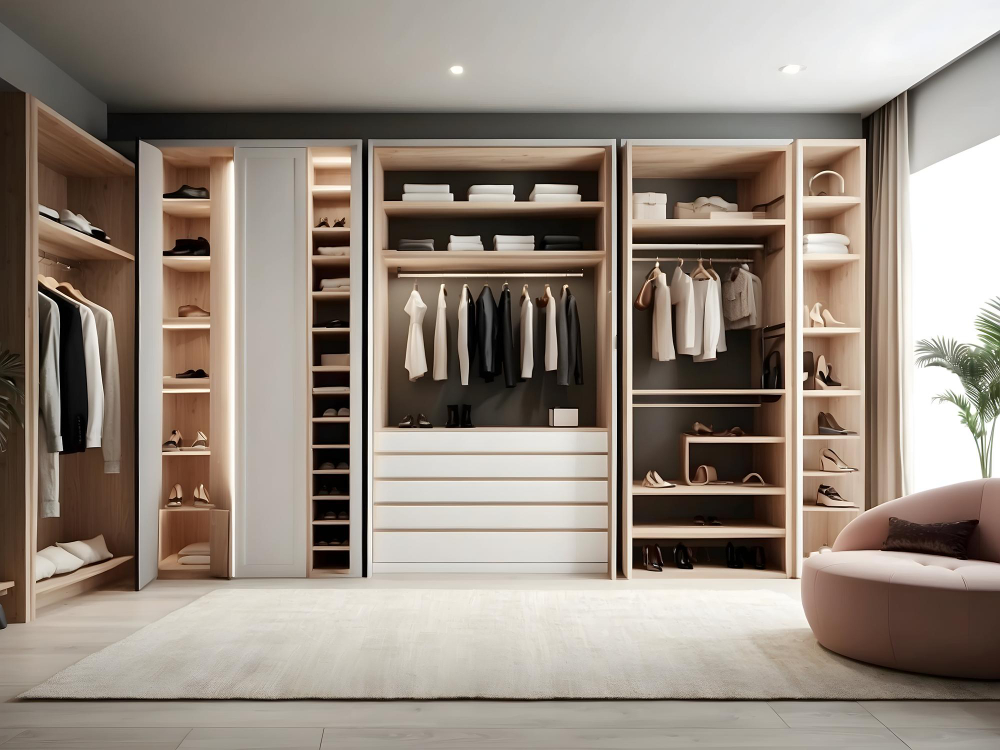
To begin, assess your current wardrobe. Identify various categories such as work clothes, casual wear, activewear, and accessories. Once you have a clear understanding of what types of clothing you own, start designating specific zones within your closet for each category. For instance, you might allocate the top shelf for seasonal items, the middle sections for work attire, and the bottom for casual or athletic clothing. Arrange your clothes according to frequency of use; frequently worn items should be easily accessible.
The benefits of this approach are manifold. Firstly, grouping similar items together allows for quicker outfit selection, making your mornings less stressful. Secondly, when you know exactly where everything belongs, maintaining an organized space becomes easier. Implementing wardrobe organization ideas such as color coordination within these zones can further enhance visual appeal, making it simpler to locate desired pieces at a glance.
In addition to clothing, consider designating zones for accessories, such as shoes, belts, and handbags. Utilizing closet storage solutions like drawer dividers or hanging organizers will maximize space and ensure that smaller items are kept tidy. Ultimately, a well-organized closet contributes to a more functional home and provides a sense of orderliness that can positively impact your daily life.
Maximizing Vertical Space
In the quest for effective closet organization, one often overlooked strategy is the maximization of vertical space. Closets traditionally provide ample height, yet many homeowners fail to capitalize on this potential. By utilizing the vertical dimensions of your closet, you can not only increase storage capacity but also enhance accessibility to your possessions.
One practical solution to optimize this vertical space is the installation of shelves. Adjustable shelving units allow you to customize the layout according to your requirements, accommodating various items from shoes to folded clothing. When implementing wardrobe organization ideas, consider placing less frequently used items on higher shelves, thereby freeing lower levels for daily essentials.
Hanging organizers are another effective tool in your home organization guide. These convenient contraptions can be hung on the back of closet doors or mounted on walls, providing additional storage for shoes, accessories, and small items. By creatively utilizing vertical surfaces, you minimize clutter and streamline the organization process.
Hooks represent yet another versatile option for enhancing your closet storage solutions. They can accommodate bags, belts, or even hats, thus freeing shelf and floor space for larger items. Judiciously placing hooks at varying heights can add an artistic flair while providing functional benefits.
For less frequently used items, consider the use of bins and boxes placed on upper shelves. This approach keeps these items neatly stored yet accessible when needed, allowing for easy retrieval without overwhelming the lower storage areas. Moreover, utilizing decorative bins can improve the aesthetic appeal of your closet while ensuring efficiency.
By effectively integrating these vertical space strategies into your closet, you can achieve a more organized and functional environment. Employing practical closet organization techniques will lead you to a significantly more manageable space conducive to everyday living.
Using Storage Solutions Wisely
Effective closet organization tips begin with selecting the right storage solutions that cater to both the type of items you have and the size of your closet. One of the most versatile options is shelving units. They can be customized to fit various spaces and can accommodate an array of items, from shoes to stacked boxes, ensuring that every inch of your closet is utilized effectively. Consider floating shelves as well; they provide a modern touch while keeping your essentials displayed attractively.
Boxes and baskets are another essential component of practical closet organization. These options not only help keep items contained but also make it easy to access items when needed. Opting for labeled bins can enhance your home organization guide, facilitating quick retrieval of clothes or accessories. For those with smaller closets, look for stackable boxes that maximize vertical space while maintaining a tidy appearance.
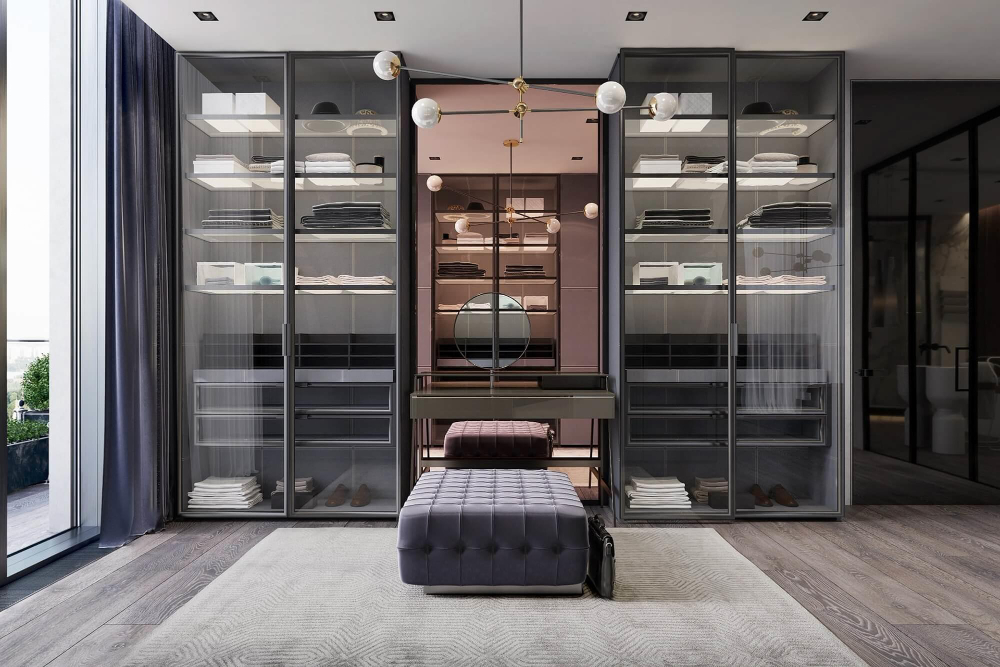
When evaluating closet storage solutions, think about adopting multifunctional furniture, such as ottomans with hidden storage beneath. This allows you to seamlessly blend chic decor with practicality. In addition, integrating hooks and pegboards on the inside of your closet doors can introduce additional vertical storage without consuming floor space. Lastly, consider adjustable components; systems that can be modified as your needs change provide lasting benefits and versatility.
Ultimately, the key to successful wardrobe organization ideas lies in thoughtfully analyzing your specific storage requirements and creatively utilizing available space. By selecting the right storage solutions, you can ensure a more organized and aesthetically pleasing closet, enhancing both functionality and efficiency in your daily routine.
Keeping Your Closet Organized Long-Term
Maintaining an organized closet is essential for ensuring that your living space remains functional and clutter-free. Over time, it is easy for closets to become a catch-all for items that accumulate without purpose. To counteract this tendency, regular maintenance is crucial. One effective approach is to schedule consistent check-ins and tidying sessions. Setting aside time, perhaps once a month or seasonally, to evaluate the contents of your closet can prevent clutter from building up.
During these regular evaluations, consider employing wardrobe organization ideas that promote efficiency. Assess the utility of each item; if something hasn’t been worn in over a year, it might be time to consider its removal. Implementing practical closet organization techniques, such as creating designated sections for seasonal clothing, can streamline your closet’s functionality. Labels and clear bins are excellent closet storage solutions that assist in identifying what you own at a glance, helping to eliminate confusion and distractions.
Another useful strategy is to embrace a seasonal wardrobe rotation, where you actively swap out clothing twice a year. This practice not only keeps your wardrobe relevant but refreshes your closet space by highlighting items that are currently in season. Furthermore, decluttering regularly acts as a proactive measure that fosters a sense of order and enhances accessibility to your belongings. Set a reminder for yourself to engage in this routine, as putting off tidying can lead to overwhelming tasks in the future.
Overall, keeping your closet organized long-term requires commitment to regular upkeep and strategic organization. By implementing these closet organization tips, you can ensure that your home remains a sanctuary of order and efficiency.
Incorporating Lifestyle Needs
When it comes to practical closet organization, one of the most crucial aspects to consider is how individual lifestyles impact organization methods. Each person’s daily routine and needs can significantly influence the efficacy of closet storage solutions. For instance, families with children require different wardrobe organization ideas compared to single professionals or minimalists. Tailoring organization strategies to personal lifestyles not only enhances functionality but also creates a more harmonious living environment.
For families, incorporating closet organization tips that enable easy access for children can make a significant difference. Lower shelves can hold toys, while accessible racks can store frequently used jackets. These adjustments ensure that both parents and children can maintain order with minimal hassle. Additionally, color coding or labeling can aid young children in finding their items independently, fostering a sense of responsibility.
In contrast, working professionals may need to prioritize efficiency in their closet space. Organizing business attire, allocating separate sections for formal and casual clothing, and using suit or dress organizers can streamline morning routines. Consider implementing adjustable shelving and hanging rods to accommodate suits and dresses of different lengths, thereby maximizing vertical space. For those who prioritize swift decision-making in their daily attire, clear visibility and easy access to essentials are paramount.
Furthermore, minimalists who value simplicity should focus on essential wardrobe organization ideas that reduce clutter. Utilizing multi-functional furniture or storage boxes to keep seldom-used items can enhance space efficiency. Minimalist closet storage solutions often include open shelving that allows for a curated display of belongings, rather than hidden storage which may lead to over-accumulation.
Ultimately, customizing closet organization methods to fit lifestyle needs not only promotes functionality but also creates a personalized space that reflects one’s habits and preferences.
Conclusion and Encouragement
In conclusion, organizing your closet is an essential step towards achieving a more functional and joyful home. By implementing various closet organization tips outlined in this guide, you can transform your wardrobe into a harmonious space that reflects your personal style and accommodates your lifestyle needs. From practical closet organization approaches like decluttering, categorizing, and utilizing effective closet storage solutions, each strategy contributes to a more insightful understanding of your belongings.
Utilizing wardrobe organization ideas, such as using dividers, bins, and hangers can significantly enhance accessibility and visibility, allowing you to quickly find what you need. Additionally, regular maintenance of your organized closet through seasonal assessments can help ensure that clutter does not accumulate again. These steps help make your closet a place of calm rather than chaos, fostering a sense of peace each time you open the door.
As you embark on this journey of home organization, it is crucial to remain motivated and persistent. Remember that every effort made towards organizing your closet not only maximizes space but also contributes to a more efficient daily routine. Embrace these closet organization tips, and commit to reshaping your closet into a sanctuary that inspires you every day. Your future self will be grateful for the time saved and the clarity gained through intentional organization. So, start today, and take meaningful steps towards revitalizing your home with the joy of well-organized spaces.
Devon Lane

- Design Services (1)
- Fashion (1)
- Genel (20)
- Home & Garden (1)
- Home & Lifestyle (1)
- Home Improvement (15)
- Interior Design (1)
- Smart Storage Solutions for Small Apartments 01/26/2026
- Closet Organization Tips for a More Functional Home 01/19/2026
- Unlocking Style and Functionality: The Benefits of Modular Closets for Modern Homes 01/12/2026
- Maximizing Your Living Space: The Benefits of Modular Closet Systems 01/05/2026
- Closet on a Budget: Smart Storage Ideas for Montgomery County Homes 12/26/2025