FREE SHIPPING FOR ORDERS OVER $2500 – DISCOUNTS ARE IN BLOOM! 30% OFF ALL CLOSETS!
DISCOUNTS ARE IN BLOOM! 30% OFF ALL CLOSETS!


Ciri Blog

Real Projects, Real Results: 10 Closet Ideas from Our Favorite Before and After Transformations
Introduction to Closet Makeovers
Closet makeovers have emerged as a significant trend in home design, focusing on organization and aesthetic appeal. The efficiency of space management is paramount in today’s fast-paced lifestyle, making well-organized closets increasingly indispensable. A closet’s design not only serves a functional purpose but can also dramatically influence the overall ambiance of a home.
In a world where home organization plays a crucial role in daily productivity, a thoughtfully designed closet can optimize space and simplify task management. By employing innovative storage solutions and aesthetic enhancements, homeowners have the opportunity to transform cluttered areas into functional, serene environments. A clutter-free closet not only streamlines daily routines but also contributes positively to mental well-being. When personal belongings are neatly arranged, individuals are likely to experience reduced stress and greater accessibility, making it easier to find what they need when they need it.
Moreover, a beautifully designed closet can amplify a home’s visual appeal. As wardrobes often serve as a pivotal focal point in bedrooms, investing in a captivating design can elevate the overall look of the space. This transformation often involves utilizing stylish materials, cohesive color palettes, and thoughtful layout adjustments, all of which contribute to a pristine and enjoyable living area.
Throughout this blog post, we will explore a selection of inspiring closet transformation projects that showcase various approaches to design and organization. Each before and after story highlights the capacity of closet makeovers to reinvent spaces, ensuring they serve the homeowner’s needs while enhancing the home’s atmosphere. The following examples will illustrate that with the right strategies and D.I.Y. solutions, an outdated or chaotic closet can transition into an inviting and organized sanctuary.
Understanding Closet Needs and Styles
Choosing the right closet type is pivotal in creating an efficient and aesthetically pleasing space. Different closet styles serve distinct purposes and come with unique challenges. Among the most popular types are walk-in closets, reach-in closets, and wardrobes. Each offers different solutions depending on the available space and individual requirements.
Walk-in closets are often preferred for their spaciousness and versatility. They allow for ample storage options, accommodating everything from clothes to accessories and shoes. However, the challenge lies in maximizing the use of available space. Organizing a walk-in closet effectively involves thoughtful planning, where layering garments and utilizing shelving can significantly enhance organization.
Reach-in closets, on the other hand, are narrower and can be found in many older homes. They typically come equipped with sliding or hinged doors. While more limited in space compared to walk-in closets, reach-in models present their own set of challenges. Optimizing vertical storage is often key, as these closets can be deep but may lack sufficient width. Solutions include installing hooks and organizers to streamline accessibility, making the most of every inch available.
Wardrobes serve as standalone pieces, providing an excellent option for those with limited space. They come in various styles and sizes, offering both functional storage and decorative appeal. The challenge with wardrobes is often finding the right balance between style and storage capacity, prompting careful consideration of the items being stored and how often they are accessed.
When assessing personal closet needs, it is vital to consider factors such as available space, personal style, and lifestyle. By reflecting on these elements, one can identify the most suitable closet type, leading to a successful transformation. Evaluating your existing storage situation can pave the way for creating a functional closet that not only meets your needs but also enhances your living space.
Before and After: A Sleek Minimalist Closet
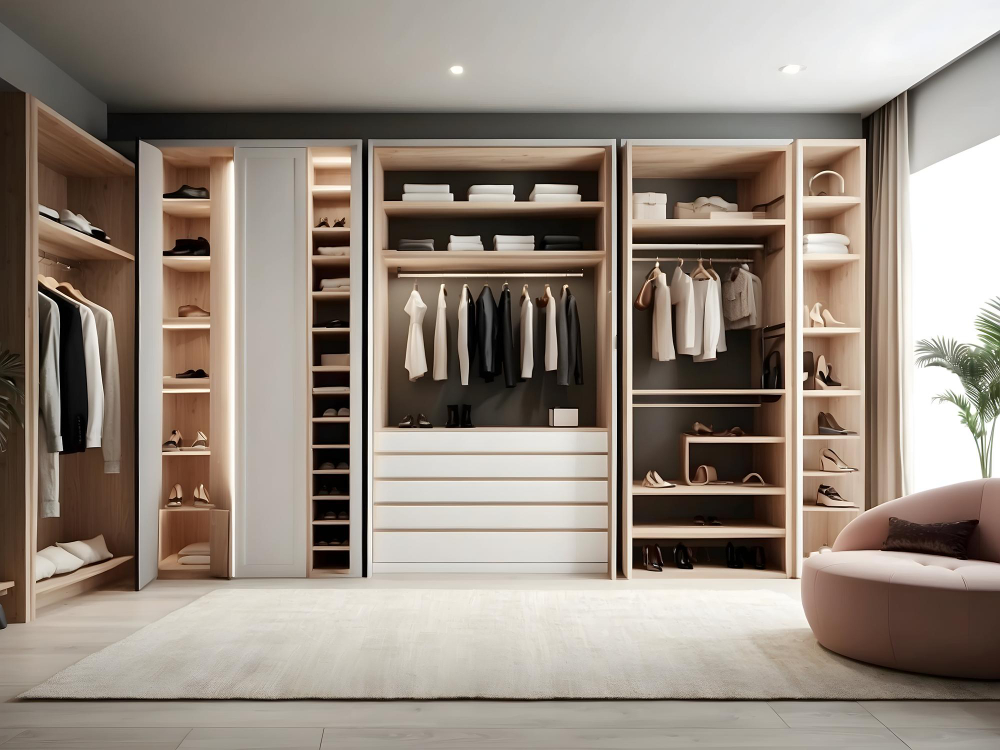
The transformation of a disorganized closet into a sleek, minimalist design serves as a remarkable example of how effective storage solutions can enhance functionality and aesthetics. Prior to the transformation, the closet was characterized by an overwhelming collection of clothes, accessories, and miscellaneous items that contributed to clutter. This disarray not only made it difficult to navigate the space but also impacted the overall sense of tranquility within the home. The untidy environment highlighted the need for a systematic approach to decluttering and organization.
To commence the redesign process, the first step involved a thorough evaluation of the items housed within the closet. Each item was categorized, leading to the identification of essential pieces versus those that were seldom used or redundant. This evaluation was crucial in establishing a streamlined inventory, whereby only necessary items remained. The adoption of the minimalist philosophy emphasized simplicity, encouraging the homeowner to embrace a more intentional approach to their wardrobe selection.
The subsequent phase of the design process involved creating a blueprint for the new layout, focusing on efficient storage solutions. The implementation of custom shelving and hanging systems maximized vertical space, allowing items to be easily accessible while maintaining a visually appealing arrangement. Neutral colors and clean lines were chosen to evoke a sense of calm and sophistication, consistent with minimalist design principles. The introduction of baskets and dividers played a pivotal role in organizing accessories, ensuring that everything had its designated place.
The end result of this transformation is a pristine, clutter-free closet that epitomizes minimalist living. The sleek design not only showcases the remaining essentials but also enhances the overall ambiance of the home. This project illustrates the profound impact that simplification can have on personal satisfaction and the functionality of living spaces.
Before and After: A Functional Family Closet
Family closets often serve as a central hub for organizing a household’s everyday items, but when they become disorganized, they can lead to frustration and inefficiency. In one such transformation, a chaotic family closet was redesigned to create a multifunctional space tailored to meet the diverse needs of each family member. The first step involved a comprehensive assessment of the existing closet layout, identifying areas that contributed to the disorder and determining the specific storage requirements for clothing, shoes, and accessories.
To address these issues, a customizable storage system was introduced, incorporating various shelving units, hanging rods, and bins that were specifically selected to enhance organization and accessibility. Adjustable shelving and modular components allowed for a personalized arrangement, accommodating items of different sizes and shapes. This flexibility not only optimized space but also made it easier for family members to locate their belongings without unnecessary searching.
In addition to the physical changes, practical solutions were implemented to encourage teamwork among family members in maintaining the closet’s organization. Color-coded bins were assigned to each member, facilitating a simple system for sorting clothing and personal items. Labels were added to ensure clarity in designating spaces for specific categories, such as seasonal wear or sports equipment. Each family member was involved in the planning and organization process, fostering a sense of ownership and responsibility.
This collaborative approach resulted in a highly functional family closet that not only alleviated chaos but also promoted seamless organization. Regular maintenance became an integrated part of their routine, with the teamwork and communication established throughout the transformation helping to ensure that the closet remains a space of order. Ultimately, this before and after project exemplifies how a thoughtful redesign can lead to meaningful and lasting results for any family’s organizational challenges.
Before and After: A Luxurious Walk-In Closet
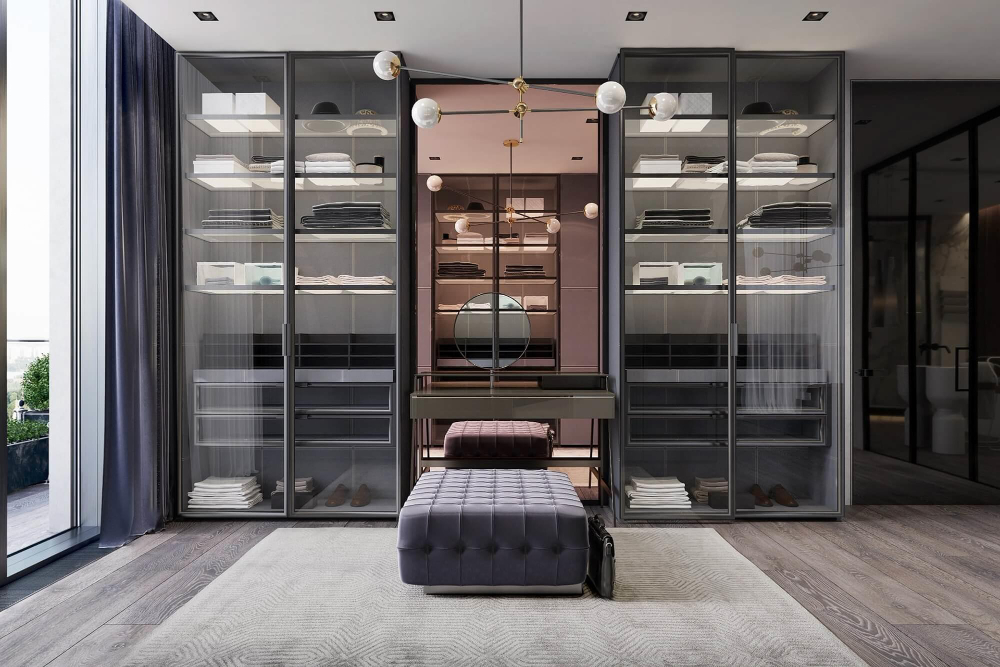
The transformation of a walk-in closet from a disorganized space into a luxurious retreat is a testament to the profound impact of thoughtful design choices. This particular project showcases the remarkable transformation of a standard closet into an opulent haven characterized by high-end finishes and innovative organization techniques. Emphasizing luxury, the finished walk-in closet features rich textures, stylish lighting fixtures, and bespoke cabinetry, offering an exquisite blend of functionality and elegance.
Initially, the closet presented challenges typical of many disorganized spaces: cluttered shelves, a lack of efficient storage solutions, and insufficient lighting. To address these issues, the design team implemented a strategic layout that takes full advantage of the available space. Custom-built shelving was designed to accommodate various items, including shoes, accessories, and clothing, while incorporating pull-out organizers for easier accessibility. This thoughtful planning not only maximized the storage capacity but also provided a visually appealing arrangement that showcases the homeowner’s favorite pieces.
The luxury finishes are a highlight of this makeover. The use of premium materials, such as soft-close drawers and hand-selected wood veneers, elevates the overall aesthetic, creating an inviting ambiance. Additionally, the introduction of chic lighting solutions, including layered recessed lights and decorative fixtures, transforms the walk-in closet into a well-lit oasis. This deliberate attention to detail ensures that every piece in the closet is highlighted effectively, adding to the sense of luxury.
Moreover, the incorporation of a vanity area within the closet space enhances the overall experience, allowing the homeowner to enjoy a personal retreat for daily beauty routines. This area is elegantly designed with plush seating and a large mirror, further contributing to the luxurious feel of the space. Ultimately, this walk-in closet signifies how strategic design choices can elevate not just the physical space but also the daily lifestyles of the inhabitants.
Before and After: The Creative Craft Closet
The journey of transforming a cluttered craft closet into an organized and inspiring workspace exemplifies the impact of effective planning and innovative solutions. Initially, this craft area was overwhelmed with an assortment of supplies, ranging from paints and brushes to fabric and tools. The chaos not only stifled creativity but also made it challenging to locate essential items when inspiration struck. Recognizing the need for change, a thorough assessment of the space was the first step in this transformation process.
The creative vision began by categorizing supplies into specific groups, such as painting materials, sewing fabrics, and scrapbooking essentials. It became evident that implementing efficient storage solutions was crucial for maximizing space. For instance, using clear containers for smaller items allowed for easy visibility while utilizing vertical space with shelving units optimized the overall layout. Incorporating pegboards on walls provided handy display options for frequently used tools, thus promoting an evolving workspace that could adapt to various crafting endeavors.
Once organization was implemented, the transformation was visually stunning. Benches were added for working on projects, allowing for an engaging and interactive environment. The color palette of the closet was carefully chosen to elicit creativity; soft pastels with splashes of vibrant hues not only enhanced the aesthetic appeal but also fostered a lively atmosphere conducive to artistic endeavors.
This remarkable transformation of the craft closet illustrates that with thoughtful planning and resourceful solutions, any space, no matter how cluttered, can be designed to inspire creativity and productivity. The before and after results offer valuable insights into organizing similar spaces, instilling the essence of functionality while maintaining an inviting ambiance for all hobbies and crafts.
Before and After: A Stylish Children’s Closet
Designing a children’s closet presents a unique opportunity to create an organized, functional, and visually appealing space that not only meets the child’s current needs but also grows with them. One effective approach to achieve this transformation involves incorporating versatile storage solutions that adapt as the child’s wardrobe and interests evolve. Start by assessing the available space and understanding the requirements: clothing, accessories, and toys should all find their designated spots.
In a recent closet makeover, we emphasized open shelving to foster independence. By using lower-maintained shelves for easy access, children can take charge of selecting their outfits. Integrating fun storage bins—labeled or color-coded—can emphasize organization while adding a playful touch that resonates with children. Meanwhile, hanging rods at varying heights allow the child to reach their clothes with ease, cultivating a sense of autonomy in dressing.
Using bright colors and playful designs can further enhance the aesthetic of a children’s closet. Consider wall decals or themed organizers to reflect the child’s personality and interests, making the space more inviting. In addition, incorporating multi-functional furniture, such as a low bench that doubles as seating and storage, can be beneficial in maximizing space efficiency while maintaining a child-friendly environment.
Moreover, it is essential to allocate storage for toys within the closet design. By creating dedicated sections for toys, you reinforce the habit of tidying up, teaching children valuable organizational skills. Rather than viewing the closet solely as clothing storage, it becomes a well-rounded space that supports the various aspects of a child’s life.
Overall, an effective children’s closet redesign merges practicality with aesthetics, promoting independence while accommodating the need for change as the child grows. The before and after transformations clear demonstrate that thoughtful design can significantly enhance both organization and the overall atmosphere of the room.
Before and After: Transforming a Small Closet
Many homeowners face the challenge of maximizing the potential of a small closet. With limited space, it is crucial to implement innovative storage solutions that enhance both functionality and aesthetics. A recent transformation project highlights how effective design strategies can completely revolutionize a compact closet area, turning it into a well-organized and visually appealing space.
Initially, the small closet was cluttered and disorganized, making it difficult to locate items quickly. The first step in the transformation involved decluttering the space, removing unnecessary items, and categorizing belongings. This process not only freed up space but also provided insight into what storage solutions would best accommodate the remaining items. Implementing vertical space utilization was key to maximizing the potential of this small closet. By installing tall shelving units and utilizing the full height of the closet, various storage options were created for items such as shoes, accessories, and seasonal clothing.
In addition to shelving, multi-functional storage solutions were introduced. For instance, adding a pull-out shoe rack optimized space while keeping footwear neatly organized and easily accessible. Beautiful decorative boxes were incorporated to house smaller accessories, adding a touch of style and cohesion to the overall design. Mirrors were also cleverly used to create an illusion of depth within the small closet, enhancing both brightness and spaciousness.
The final result of this transformation was a small closet that showcased smart storage solutions while maintaining a stylish aesthetic. The introduction of vertical storage, multi-functional elements, and decorative touches resulted in a functional space that can easily accommodate a variety of items. This project serves as an inspiring case study for homeowners looking to optimize their small closets effectively.
Before and After: A Seasonal Wardrobe Closet
Transforming a closet to effectively manage a seasonal wardrobe can significantly enhance both organization and accessibility. A well-planned closet design allows for seamless transitions between different seasons, making it easier to locate and store clothing items according to their use throughout the year. In our featured project, the initial setup was cluttered and inefficient, resulting in a challenging experience when switching between winter and summer garments.
The renovation began by implementing a clear organizational strategy. Utilizing storage bins labeled with both the season and clothing type, such as “Winter Coats” or “Summer Dresses,” facilitates a structured approach to managing clothes. These bins should be positioned at eye level within the closet, making retrieval of items convenient during the seasonal changeover. In addition, adjustable racks and shelves were added to maximize vertical space, allowing longer items like jackets to hang freely while shorter items could be stored above.
Seasonal sorting is further enhanced by incorporating color-coded hangers or garment bags. This simple yet effective method not only streamlines the selection process but also visually pleasing, providing an aesthetically organized feel to the closet. Seasonal accessories can be organized separately in smaller containers to avoid clutter and ensure essential items like scarves, hats, or belts are easily accessible.
Ultimately, the focus of this closet transformation was on functionality. By prioritizing seasonal organization, the project not only improved the aesthetic appeal of the space but also made transitioning between wardrobes significantly more manageable. This tailored approach to wardrobe management showcases a practical solution for anyone looking to revamp their closet for enhanced seasonal efficiency.
Conclusion: Key Takeaways from the Closet Transformations
In reviewing the closet transformations highlighted in this blog post, several key takeaways emerge that can serve as valuable guidance for individuals looking to rejuvenate their own storage spaces. A successful closet makeover often begins with a clear vision. It is essential for homeowners to define their needs based on lifestyle and habits. For instance, frequent travelers may prioritize space for luggage and accessories, while fashion enthusiasts might require more hanging space for clothing.
Additionally, an effective organization system is fundamental. Implementing modular shelving or utilizing multi-functional furniture can maximize space efficiency. Creative storage solutions, such as pull-out bins or baskets, can help segregate items, making it easier to locate belongings. Emphasizing accessibility in design ensures that everyday items are within reach and reduces the likelihood of clutter build-up.
Moreover, aesthetics play a vital role in creating a pleasant atmosphere in one’s closet. The incorporation of color palettes, lighting, and personal touches can transform the mundane into the extraordinary. Whether opting for a minimalist approach or a more vibrant theme, the visual appeal of a closet affects how one interacts with the space daily.
Another critical aspect is the importance of decluttering before embarking on a closet transformation journey. Regularly reviewing and purging items not only creates physical space but also makes room for a more organized lifestyle. By letting go of items that are no longer useful or cherished, homeowners can create an invigorating space that rewrites their interactions with clothing and accessories.
Ultimately, these closet before and after projects underscore the potential for organization and design to enhance personal spaces significantly. By embracing these principles, individuals can embark on fulfilling transformation journeys of their own, resulting in functional and aesthetically pleasing closets that reflect their unique styles.

Devon Lane

- Design Services (1)
- Fashion (1)
- Genel (20)
- Home & Garden (1)
- Home & Lifestyle (1)
- Home Improvement (15)
- Interior Design (1)
- Smart Storage Solutions for Small Apartments 01/26/2026
- Closet Organization Tips for a More Functional Home 01/19/2026
- Unlocking Style and Functionality: The Benefits of Modular Closets for Modern Homes 01/12/2026
- Maximizing Your Living Space: The Benefits of Modular Closet Systems 01/05/2026
- Closet on a Budget: Smart Storage Ideas for Montgomery County Homes 12/26/2025