FREE SHIPPING FOR ORDERS OVER $2500 – DISCOUNTS ARE IN BLOOM! 30% OFF ALL CLOSETS!
DISCOUNTS ARE IN BLOOM! 30% OFF ALL CLOSETS!


Ciri Blog
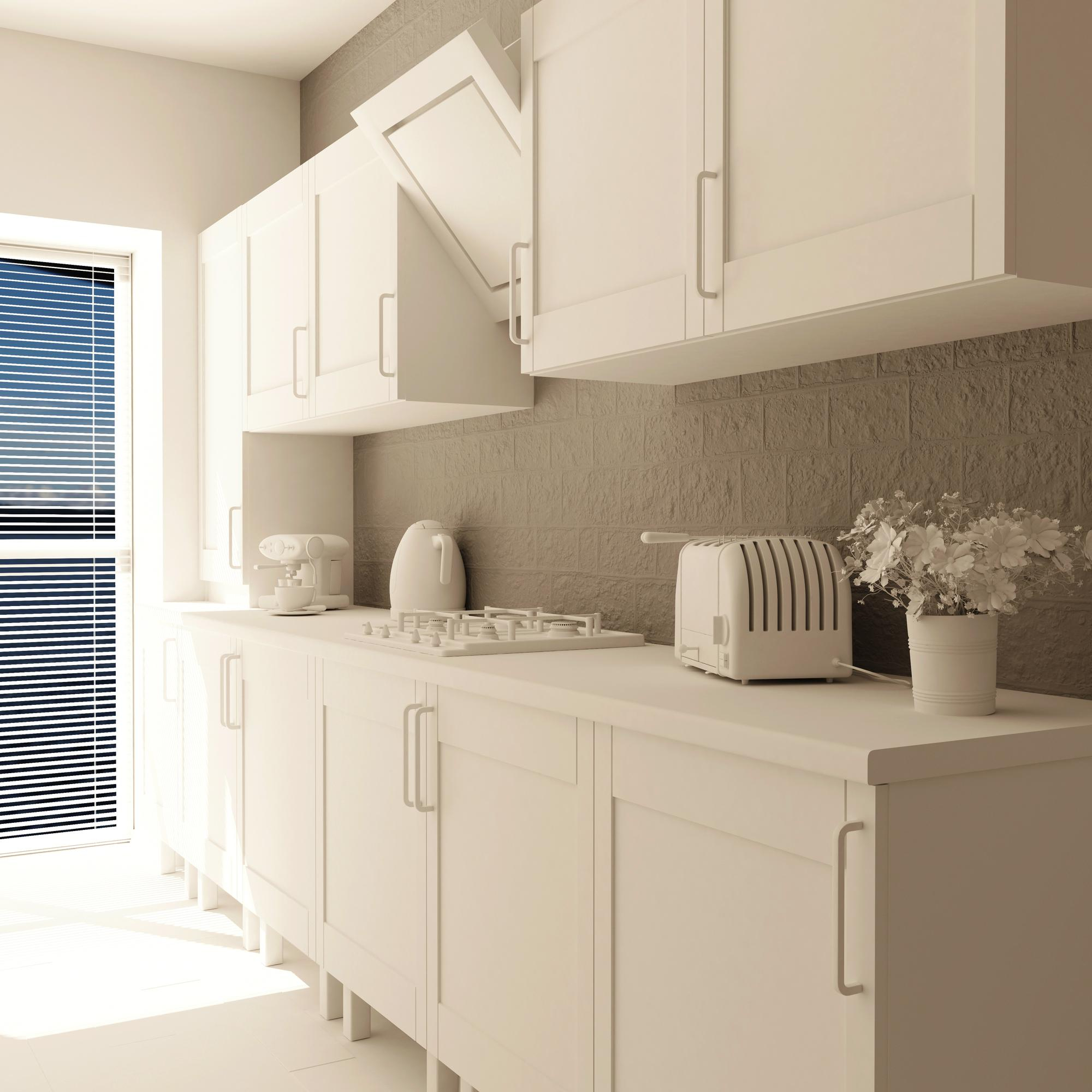
Top Trends in RTA Kitchen Cabinets USA for Modern Homes
Introduction to RTA Kitchen Cabinets in Modern Homes
Ready-to-Assemble (RTA) kitchen cabinets have become a cornerstone in modern home design, offering homeowners a blend of practicality, affordability, and aesthetic appeal. Designed for straightforward assembly, these cabinets are shipped flat-packed, making them accessible to a wide range of consumers, from DIY enthusiasts to those seeking professional installations. Their rising popularity in contemporary spaces is driven by evolving trends in interior design, as well as the adaptability of RTA cabinets to diverse kitchen layouts and styles.
The appeal of RTA kitchen cabinets lies in their versatility. Available in a broad spectrum of finishes, materials, and designs, these cabinets accommodate a range of preferences, from sleek minimalist looks to traditional charm. Common finishes include high-gloss lacquer for modern aesthetics, wood veneers for rustic warmth, and painted surfaces that harmonize with brighter interiors. The variety ensures homeowners can achieve their desired kitchen ambiance without compromising on quality.
Modern homes emphasize functionality alongside style, and RTA cabinets align perfectly with this principle. These cabinets offer features such as soft-close hinges, adjustable shelving, and durable materials that cater to the needs of busy households. Moreover, their modular nature ensures flexibility, allowing designers or homeowners to customize configurations to optimize space utilization.
Economics also play a significant role in their popularity. RTA cabinets are generally more affordable than pre-assembled options, primarily due to diminished shipping and labor costs. This affordability does not dilute their quality; many brands utilize robust construction techniques, high-grade hardware, and materials such as plywood and MDF, ensuring durability and longevity.
As advancements in production techniques and materials continue, RTA kitchen cabinets are progressively aligning with sustainable practices. Many manufacturers prioritize eco-friendly materials and low-VOC finishes to meet consumer demand for environmentally conscious products. This shift highlights both industry innovation and a commitment to green living in modern architecture and interior design.
Ultimately, RTA kitchen cabinets represent the intersection of style, practicality, and cost-effectiveness, making them an essential component of contemporary kitchens.
Why RTA Kitchen Cabinets are Gaining Popularity in the USA
Ready-to-Assemble (RTA) kitchen cabinets have seen a notable surge in demand across the United States in recent years. These cabinets provide homeowners, designers, and contractors with a practical blend of affordability, customizability, and convenience, making them a preferred choice in modern kitchen design.
Cost Efficiency
RTA kitchen cabinets are inherently more affordable compared to pre-assembled options. This cost efficiency stems partly from their compact packaging, which reduces shipping expenses. Additionally, manufacturers save on labor costs associated with assembly, allowing them to provide cabinets at lower prices. Homeowners looking for quality materials and designs at budget-friendly prices are increasingly drawn to RTA products.
Ease of Transportation and Storage
Designed for convenient handling, RTA cabinets are shipped flat-packed, making them ideal for easy transportation and storage. Flat packaging not only simplifies logistics but also eliminates the risk of damage during transit. For contractors working on-site or homeowners with limited storage space, this feature is particularly appealing.
DIY Appeal
The DIY component of RTA kitchen cabinets has greatly contributed to their popularity. These cabinets come with straightforward assembly instructions, allowing homeowners to take an active role in building their spaces. The satisfaction derived from assembling cabinets often fosters a sense of accomplishment while saving on professional labor costs.
Style Range and Customizability
Modern RTA kitchen cabinets are available in an extensive range of styles, finishes, and sizes, allowing homeowners to tailor their kitchens to their preferences. From sleek contemporary designs to classic aesthetics, the variety ensures compatibility with almost any home décor. Many manufacturers offer modular options that give users flexibility to mix and match components to suit individual needs.
Durability and Quality
RTA cabinets are not just about affordability—they’re increasingly built with high-quality materials. Many brands offer solid wood constructions, dovetail joints, and soft-close hinges, ensuring durability and robust usage. The emphasis on quality gives homeowners confidence that they are investing in long-lasting products without stretching their budgets.
Sustainability Factor
The surge in environmental consciousness has further boosted the demand for RTA kitchen cabinets. Many manufacturers prioritize eco-friendly production processes, using sustainable materials and low-emission finishes. Homeowners eager to align their choices with environmentally responsible practices find RTA cabinets to be a greener option.
Flexibility for Renovations
RTA cabinets present practical solutions for both small-scale upgrades and extensive renovations. Their modular nature allows easy incorporation during partial remodels, while their simple assembly makes them convenient for large-scale kitchen transformations. Contractors and designers often recommend RTA cabinets for remodeling projects due to their adaptability and quick installation process.
Through their cost savings, stylish versatility, and focus on quality, RTA kitchen cabinets address the needs of homeowners seeking practical and customizable design solutions. As trends in kitchen spaces evolve, the appeal of RTA cabinets continues to grow across the country.
The Rise of Minimalist Designs in RTA Cabinetry
Minimalist designs have become increasingly popular in ready-to-assemble (RTA) kitchen cabinetry, resonating with homeowners who prefer a clean and uncluttered aesthetic. This design trend emphasizes simplicity, functional beauty, and intuitive layouts, making it a natural choice for modern homes. The fusion of practicality and streamlined elegance serves not only an aesthetic purpose but also enhances usability in contemporary kitchens.
Key Features of Minimalist RTA Cabinets
Minimalist cabinetry is defined by its subtlety and focus on foundational design principles. The following characteristics are frequently observed in such designs:
- Sleek Lines: Straight edges, unembellished fronts, and smooth surfaces dominate minimalist cabinets, eliminating ornate details to highlight clean structures.
- Neutral Color Palettes: White, gray, beige, and a limited range of soft hues are used extensively, offering timeless appeal and allowing the cabinets to blend effortlessly in diverse settings.
- Handle-Free Designs: Cabinets with push-to-open mechanisms or integrated grooves for handling further streamline the appearance.
- Flat-Panel Doors: Replacing traditional raised-panel designs, flat-panel doors contribute to a modern and functional aesthetic.
Benefits in Modern Kitchens
The simplicity of minimalist RTA cabinetry provides tangible benefits for homeowners. These cabinets deliver seamless integration into open-concept kitchen layouts, providing a cohesive environment. The reduced visual clutter promotes a sense of spaciousness, essential in smaller kitchens or those with limited light. Furthermore, minimalist cabinets are easier to clean and maintain, ensuring their long-term usability in active households.
Material Choices
Minimalist cabinetry often incorporates high-grade materials that balance form and function. Engineered wood, plywood, and medium-density fiberboard (MDF) are widely utilized for their durability and clean textures. Laminates and matte finishes are preferred for their ability to resist fingerprint markings and smudges, enhancing the practicality of the design.
This rising trend in RTA cabinetry illustrates how minimalist principles cater to the evolving priorities of modern homeowners, blending convenience and style effectively.
Popular Materials and Finishes for RTA Cabinets
Ready-to-assemble (RTA) cabinets are available in a wide array of materials and finishes, offering versatility and style to complement various kitchen designs. From traditional solid wood to modern engineered options, the choice of materials significantly affects the appearance, durability, and cost.
Common Materials Used in RTA Cabinets
- Solid Wood Solid wood is a popular choice for those seeking timeless quality and durability. Common types include maple, oak, cherry, and birch. These woods offer strength and a natural aesthetic, though they are typically more expensive and may require extra care to protect them from moisture and humidity.
- Medium-Density Fiberboard (MDF) MDF is a cost-effective option crafted from compressed wood fibers and resin. It is prized for its smooth surface and compatibility with painted finishes, making it ideal for modern or custom looks. However, it may lack the durability of solid wood under heavy use or exposure to excessive moisture.
- Plywood Plywood is favored for its strength and resilience to warping. It is composed of multiple layers of wood veneer glued together. Its structural integrity makes it suitable for cabinet boxes and shelves. Plywood’s surface may be paired with veneers or laminates for an enhanced aesthetic.
- Particleboard Particleboard is a budget-friendly choice that is lightweight and easy to install. While it is not as sturdy as plywood or solid wood, it is often coated with laminates to improve its longevity and appearance.
Diverse Finishes for RTA Cabinets
- Natural Wood Tones Cabinets featuring natural wood finishes add warmth and authenticity to kitchen spaces. These finishes range from light, honey-like hues to deep, rich browns.
- Painted Finishes Painted cabinets are preferred for a sleek and polished look. Popular colors include white, gray, navy, and green. These finishes stand out in contemporary and transitional kitchen designs.
- Stained Finishes Staining allows the wood grain to remain visible while enhancing its tone. This technique is ideal for highlighting the texture and character of solid wood materials.
- High-Gloss or Matte Modern kitchens increasingly embrace high-gloss finishes for a reflective, clean appearance or matte finishes for a softer, understated aesthetic, depending on the desired style.
By choosing the right combination of materials and finishes, homeowners can tailor their kitchen cabinets to meet both functional and design needs.
Smart Storage Solutions in Modern RTA Cabinetry
In modern kitchen design, storage plays a pivotal role in maximizing functionality and maintaining visual appeal. Ready-to-assemble (RTA) cabinetry has adopted innovative features that cater to the dynamic needs of homeowners, emphasizing organization and accessibility. These solutions seamlessly integrate into contemporary layouts, ensuring every inch of space is utilized effectively without compromising style.
Key Smart Storage Features in RTA Cabinets
Modern RTA cabinets offer a range of storage enhancements designed to create more structured and user-friendly interiors. Some notable features include:
- Pull-out Shelves: These shelves allow homeowners to access items stored in deeper cabinets without the hassle of reaching into confined spaces. They improve visibility and make kitchen tasks more streamlined.
- Drawer Dividers and Trays: Designed to declutter kitchen drawers, dividers and trays provide dedicated sections for utensils, cooking tools, and other small accessories.
- Lazy Susans: Often found in corner cabinets, lazy Susans make optimal use of awkward spaces, offering 360-degree access to items and easing the retrieval process.
- Hidden Compartments: Increasingly popular, these concealed storage elements provide additional space for valuables or less frequently used items, maintaining a clean and organized aesthetic.
- Vertical Dividers: Ideal for storing baking sheets, cutting boards, and platters, vertical dividers prevent stacking and ensure quick access when needed.
Increasing Functionality Through Design Integration
The integration of smart storage solutions is more than just a practicality; it’s a deliberate design choice. These enhancements work in tandem with open floor plans and minimalist aesthetics, creating kitchens that feel airy but remain functional. Designers prioritize accessibility by including features that allow users to reach items with ease, catering especially to homeowners with diverse mobility needs.
Bridging Style and Utility
Manufacturers recognize that storage solutions must also align with the overall aesthetics of a modern kitchen. From sleek finishes to soft-close mechanisms, RTA cabinetry balances utility with elegant craftsmanship. This ensures that while storage innovation becomes a focal point, it harmonizes seamlessly with other design elements, contributing to a cohesive visual narrative.
By addressing homeowners’ evolving demands, RTA kitchen cabinetry continues to redefine the standards of storage efficiency in modern homes.
Customization Trends in RTA Kitchen Cabinets
In the realm of Ready-to-Assemble (RTA) kitchen cabinets, customization continues to shape consumer preferences in modern homes across the United States. Homeowners are gravitating towards cabinets that offer personalized solutions, tailored to their specific kitchen layouts and aesthetic desires. This trend caters both to functionality and the increasing demand for individuality in interior design.
One notable trend is the rising demand for modular cabinetry systems. These allow consumers to mix and match cabinet sizes, configurations, and styles for a completely bespoke look. Modular designs also make it easier to incorporate unconventional layouts, such as corner units or asymmetrical arrangements, which enhance efficiency in tight kitchen spaces.
Color customization is becoming a focal point. While traditional white and woodgrain tones remain popular, there is a notable shift toward adventurous color palettes. Darker hues like navy blue, emerald green, and even matte black are gaining traction. Additionally, custom finishes—including gloss, satin, and semi-matte—allow homeowners to reflect their personal taste while blending seamlessly with surrounding décor.
Material upgrades further emphasize the customization emphasis. Engineered wood, plywood, and high-quality laminate are being selected more often for their durability and design versatility. Many manufacturers now allow buyers to choose cabinet materials specific to their practical needs and aesthetic goals, such as moisture-resistant surfaces for high-humidity areas.
Hardware options are another area of focus. Customers increasingly opt for unique drawer pulls and handles in materials like brushed brass, matte black steel, or antique nickel. Soft-close hinges and push-to-open mechanisms are also being integrated into RTA cabinets, improving both the user experience and the overall sophistication of the design.
Storage innovation factors prominently in customization. Adjustable shelving, pull-out spice racks, and hidden compartments for small appliances cater to the need for maximized utility. Customized drawer inserts and dividers help organize utensils, while vertical storage features are popular in kitchens with limited square footage.
The move toward customization extends into eco-friendly design options. Many RTA cabinet manufacturers now offer sustainable material choices such as bamboo or reclaimed wood. Non-toxic paints and finishes, as well as cabinets built with reduced formaldehyde emissions, are appealing to environmentally conscious consumers.
Advancements in cabinetry technology play a decisive role in customization. Smart kitchen cabinets, equipped with built-in LED lighting and charging ports, are gaining popularity. Some options include app-controlled features for added convenience, such as remote-operated interior lighting.
Through these trends, customization transforms RTA kitchen cabinets into more than just functional installations. It allows consumers to create kitchen spaces that align precisely with their preferences and lifestyles, showcasing both practicality and personal expression.
Eco-Friendly RTA Cabinets for Sustainability-Focused Homes
Eco-friendly RTA (ready-to-assemble) cabinets have emerged as a popular choice for homeowners prioritizing sustainability. These cabinets are designed to minimize environmental impact while meeting the demands of modern homes. By leveraging sustainable materials and production methods, manufacturers provide solutions that align with the growing emphasis on ecological responsibility.
Features of Eco-Friendly RTA Cabinets
Eco-friendly RTA cabinets often incorporate:
- Renewable Materials: Many brands use bamboo or recycled wood, which are highly renewable and reduce the reliance on virgin resources.
- Low-VOC Finishes: Paints, adhesives, and coatings with low volatile organic compounds (VOC) improve air quality by limiting harmful emissions.
- Certifications: Products marked with certifications such as FSC (Forest Stewardship Council) or GREENGUARD demonstrate adherence to rigorous sustainability standards.
Advantages for Sustainable Homes
These cabinets offer several benefits, enhancing their appeal to eco-conscious individuals.
- Carbon Footprint Reduction: Lightweight packaging and flat-pack delivery systems reduce transport-related emissions.
- Durability: Eco-friendly RTA cabinets are manufactured to withstand wear and tear, ensuring a longer lifespan and reducing waste.
- Energy Efficiency: Many modern designs incorporate energy-conserving assembly techniques during manufacturing.
Industry Innovations and Trends
Manufacturers continue to explore innovative solutions for sustainability.
- Water-Based Coatings: Advancements in water-based finishes address environmental concerns without compromising aesthetics.
- Recyclable Hardware: Hinges and screws made from recycled metals are gaining traction in cabinet design.
- Customizations for Green Living: Modular designs allow homeowners to adapt cabinets to evolving needs rather than replacing entire sets.
Designed with environmental stewardship in mind, eco-friendly RTA cabinets offer homeowners an opportunity to combine functionality, style, and sustainability, making them a cornerstone of modern sustainable living.
The Influence of Technology on RTA Cabinet Design
Advancements in technology have reshaped how Ready-to-Assemble (RTA) cabinets are designed, manufactured, and assembled. In the United States, these innovations are providing homeowners with customizable, efficient, and aesthetically pleasing options tailored for contemporary homes. The integration of smart tools with cutting-edge materials has elevated the quality, accessibility, and appeal of RTA kitchen cabinets.
One prominent factor is the adoption of Computer-Aided Design (CAD) software in the design phase. Manufacturers utilize CAD to create precision-engineered cabinet components that align seamlessly when assembled. This level of accuracy reduces material waste, eliminates misalignments, and ensures a smoother installation process. As a result, buyers benefit from a product with a professional-grade finish regardless of whether it is installed by a contractor or a DIY enthusiast.
Additionally, automation in manufacturing has contributed significantly to the consistency and efficiency of RTA cabinet production. From robotic cutting systems to advanced edge-banding machinery, technology ensures that every piece meets stringent quality standards. These systems not only improve productivity but also support the development of intricate designs that were previously labor-intensive or cost-prohibitive.
The rise of augmented reality (AR) and virtual reality (VR) in the purchasing process has enhanced how consumers visualize their kitchen designs. Specialized software now enables homeowners to explore cabinets in a virtual environment, customize finishes, and assess their choices before making a purchase. This interactive functionality has become a crucial factor in reducing buyer uncertainty.
E-commerce platforms have also played a pivotal role. The ability to shop for RTA cabinets online, supported by 3D renderings, detailed specifications, and seamless configurators, has made product selection more convenient than ever.
Color Trends Shaping Modern RTA Kitchens
Color trends in modern Ready-to-Assemble (RTA) kitchen cabinets are redefining interior design, offering a range of options tailored to contemporary aesthetics and functional needs. Cabinet colors not only set the tone for the space but also reflect broader shifts in design philosophy and consumer preferences. Designers are creating palettes that balance timeless styles with contemporary innovations, aligning kitchens with the minimalist, industrial, or nature-inspired leanings popular today.
Neutral tones continue to dominate, with shades such as white, gray, and beige remaining at the forefront. White cabinets, especially, are celebrated for their clean, versatile, and light-enhancing properties, which make spaces feel open and airy. Gray, often used as a softer alternative to black, introduces sophistication and complements a variety of materials like quartz countertops and metallic finishes. Beige tones, on the other hand, bring warmth and are making a strong comeback due to their adaptability across diverse design styles.
Rich, bold hues have emerged to cater to homeowners seeking to create focal points in their kitchens. Navy blue, emerald green, and even deep charcoal are making their way into RTA cabinetry, lending depth and drama to modern spaces. These darker tones are often paired with contrasting lighter countertops, backsplashes, and floors to create striking visual effects.
Warm woodgrains in natural finishes are another trend gaining traction, inspired by the rising popularity of biophilic designs. Colors mimicking natural materials like oak, walnut, or bamboo bring the outdoors in, adding texture and subtle beauty to kitchens. This trend resonates particularly well with eco-conscious homeowners who value sustainability and natural aesthetics.
Two-tone cabinets are shaping contemporary kitchen designs as well. They allow designers to contrast dark lower cabinets with lighter uppers or opt for bold feature tones balanced by soft neutrals, creating visual interest. The growing interest in matte finishes highlights another dimension of the design by moving away from high-gloss options in favor of softer, understated looks.
Budget-Friendly RTA Cabinet Solutions Without Compromising Style
RTA (Ready-to-Assemble) kitchen cabinets have made significant strides in catering to budget-conscious homeowners without sacrificing aesthetics or quality. The demand for affordable yet stylish cabinetry has introduced innovations that strike a balance between affordability and modern design.
One of the most prominent ways RTA cabinets deliver cost-saving benefits is through streamlined supply chains and reduced labor costs. Since these cabinets arrive unassembled, they eliminate the expense of pre-assembly by skilled professionals, passing savings directly to the buyer. This format also cuts shipping costs, as flat-pack containers take up less space compared to fully assembled units.
Material choices greatly influence the price-conscious appeal of RTA cabinets. Many manufacturers have adopted engineered wood, such as MDF (Medium-Density Fiberboard) and plywood. These materials are not only economical but also durable, providing long-lasting solutions that resist warping and cracking. At the same time, high-pressure laminates, veneers, and thermofoil finishes mimic the luxurious appearance of hardwood without the associated cost.
Another key driver of cost savings is the wide array of finishes and customizations available at lower price points. Homeowners can choose from contemporary shades such as matte black, navy blue, or neutral grays, which align with current design trends. Vintage-inspired finishes like distressed or weathered wood are equally popular and elevate the aesthetic appeal without requiring significant financial investment.
Furthermore, DIY assembly capabilities empower homeowners to install their cabinetry, avoiding professional installation fees. User-friendly instructions and pre-drilled components make the assembly process accessible for individuals with intermediate DIY skills.
This financially prudent option does not compromise sustainability. Many budget-friendly RTA cabinets incorporate eco-friendly elements, such as non-toxic adhesives and certified sustainable materials, appealing to environmentally conscious buyers. This combination proves that affordability and style can coexist seamlessly in modern kitchens.
Installation Advances in DIY-Friendly RTA Kitchen Cabinets
Ready-to-assemble (RTA) kitchen cabinets have seen significant innovations in installation techniques, making them more accessible to homeowners with varying skill levels. Modern RTA cabinets are increasingly marketed towards DIY enthusiasts, with manufacturers focusing on simplifying the assembly process while maintaining cabinet durability and aesthetics.
Tool-Free Assembly Mechanisms
One standout advancement is the introduction of tool-free or minimal-tool assembly mechanisms. These systems often utilize pre-drilled holes, snap connections, and cam-lock fittings that eliminate the need for traditional screwdrivers or nail guns. Manufacturers prioritize precision engineering, ensuring that the components fit seamlessly together, reducing the likelihood of incorrect installations.
Pre-Finished Components
Another innovation involves pre-finished cabinet components. These parts reduce the time and effort required for sanding, painting, or sealing, which are typically necessary for custom-built options. With RTA cabinets, homeowners receive pieces that are already treated with water-resistant finishes, optimized for a smooth appearance and extended longevity.
Clear Instruction Manuals and Videos
The inclusion of detailed instruction manuals, alongside supplementary video tutorials, has further enhanced the DIY-friendly nature of RTA cabinets. These resources feature step-by-step guidance with diagrams to simplify the assembly process. Many manufacturers are leveraging digital platforms, offering online tutorials that homeowners can access at any time for installation support.
Improved Packaging Methods
Packaging improvements also contribute to easier installation. Each cabinet kit is strategically organized, grouping all necessary components, hardware, and assembly tools in clearly labeled sections. This organization minimizes confusion and ensures homeowners can easily locate the pieces required for specific steps.
Lightweight Yet Durable Materials
Advancements in material science have led to lighter yet durable construction materials for RTA cabinets. Panels made from engineered wood or composite materials are sturdy yet light enough for single-person handling. This feature is particularly useful for smaller spaces or for individuals assembling cabinets independently.
Value for Budget-Conscious Consumers
RTA cabinets maximize cost-effectiveness by combining DIY installation benefits with high-quality finishes. Their streamlined assembly processes reduce the need for professional assistance, allowing homeowners to allocate their budgets to other areas of kitchen improvement. This accessibility ensures that high-grade cabinets are available to a broader audience.
Today’s RTA kitchen cabinets embody the ethos of convenience and flexibility, offering solutions that cater to modern homeowners who value efficiency and practicality in their renovation projects.
Impact of Open Concept Layouts on RTA Cabinet Demand
The widespread adoption of open concept layouts in modern homes has significantly influenced the demand for RTA (Ready-to-Assemble) kitchen cabinets. As open floor plans seamlessly integrate kitchens with living and dining areas, homeowners increasingly seek cabinetry solutions that complement this design philosophy while offering practical storage capabilities.
One notable impact is the heightened preference for minimalist cabinet designs. Open concept spaces demand clutter-free aesthetics, and RTA cabinets featuring sleek lines, flat-panel doors, and muted finishes align perfectly with this requirement. These design elements help maintain a cohesive look across interconnected spaces, thereby elevating the overall appeal of open layouts.
The need for customized storage solutions has also grown. Open layouts often expose kitchen spaces to guests and high traffic, necessitating cabinets that not only maximize storage but also enhance accessibility. Homeowners are leaning toward modular RTA cabinets that can be tailored to fit unique spaces and evolving needs, ensuring functionality remains uncompromised while maintaining visual harmony.
Open concept spaces emphasize flexibility, and RTA cabinets cater to this by offering a wide range of options. Consumers benefit from the ease of assembly and adaptability of these cabinets, allowing them to modify installations based on spatial requirements. Whether designing an island or creating thoughtful storage zones, the versatility of RTA cabinets becomes a practical advantage.
Additionally, the aesthetic demands imposed by open layouts drive the popularity of cabinetry finishes that align with modern trends. High-gloss paints, wood tones, and matte surfaces have become staples as they blend effortlessly with surrounding decor. The combination of beauty and function makes RTA cabinets capable of meeting the expectations set by contemporary first-floor designs.
The open concept layout has further encouraged a shift towards affordable yet durable solutions. RTA cabinets appeal to a broad demographic due to their cost-effectiveness without sacrificing quality. Their accessibility in terms of pricing, coupled with options to personalize designs, has ensured steady growth in consumer interest.
RTA Cabinets vs. Traditional Alternatives: What Homeowners Need to Know
When comparing Ready-to-Assemble (RTA) cabinets with traditional pre-assembled cabinetry, discerning homeowners should consider several key differences that impact budget, design flexibility, and installation time. Both options cater to varying needs, but the choice often hinges on individual priorities and preferences.
Cost Considerations
RTA cabinets are generally more budget-friendly than traditional options. Since these cabinets are shipped flat-packed and require assembly, manufacturers save on labor and shipping costs, which translates into lower pricing for consumers. Traditional cabinets, on the other hand, often come pre-assembled, leading to higher production and delivery expenses. For homeowners aiming for cost-efficiency without sacrificing quality, RTA cabinets provide a distinct advantage.
DIY Versatility vs. Professional Installation
RTA cabinets are tailored for homeowners with a penchant for DIY projects. Their assembly typically requires only basic tools and simple instructions, offering a hands-on approach to kitchen renovations. Traditional cabinetry, by contrast, arrives fully constructed and often demands professional installation due to its bulk and complexity. This difference means that RTA cabinets can save on labor costs, while traditional options may incur additional fees for professional services.
Design and Customization Options
Modern RTA cabinets come in various styles, colors, and finishes, enabling homeowners to achieve high-end aesthetics. However, traditional alternatives may offer more intricate customizations and premium features, which can appeal to those seeking timeless elegance. While both choices provide robust design options, RTA models are particularly appealing for those who value affordability alongside modern trends.
Shipping and Delivery Dynamics
Shipping logistics for RTA cabinets are efficient due to their compact, flat-packed form. This reduces risks of damage and simplifies handling during transit. Traditional cabinetry is bulkier, increasing the likelihood of shipping delays or additional fees. RTA cabinets excel in convenience, making them a logical choice for streamlined projects.
Given these distinctions, homeowners should assess their priorities, including budget, time constraints, and desired aesthetics, to determine which cabinetry option aligns best with their vision.
Future Predictions for RTA Kitchen Cabinets in the USA Market
The future of RTA (Ready-to-Assemble) kitchen cabinets in the USA market is expected to witness dynamic shifts influenced by evolving consumer preferences and advancements in manufacturing technologies. As homeowners increasingly prioritize convenience, affordability, and style, industry leaders are adapting to meet these demands with cutting-edge innovations.
Emerging Consumer Preferences
- There is a growing appetite for eco-friendly solutions. Manufacturers are likely to incorporate sustainable materials such as recycled wood, bamboo, and low-VOC finishes to cater to environmentally conscious buyers.
- Minimalist designs and streamlined aesthetics are anticipated to dominate, reflecting broader trends in modern home décor. Flat-panel cabinets and handle-less designs will likely gain traction alongside bold color choices.
Technological Influences
- The integration of smart features could redefine the functionality of RTA cabinets. Features such as soft-close mechanisms, automated pull-out shelves, and LED lighting systems might become standard offerings.
- 3D printing is projected to play a transformative role in manufacturing RTA kitchen cabinets, enabling faster production and greater customization. Custom designs tailored to individual preferences may become more accessible.
Market Accessibility
- E-commerce is expected to remain a critical driver for the RTA cabinet market. Enhanced online visualization tools and augmented reality applications are likely to offer consumers a more interactive shopping experience, simplifying the selection process.
- Shipping innovations, including flat-pack designs optimized for reduced logistics costs, will continue to fuel the affordability of these products compared to pre-assembled cabinetry options.
Influence of Urbanization
- With urban areas growing, compact kitchens in apartments and smaller homes are necessitating more space-efficient designs. Storage-maximizing solutions like corner cabinets and drawer organizers will likely gain prominence.
- Modular kitchen cabinet designs that offer flexible configurations for small spaces are anticipated to see heightened demand.
Future Competitive Landscape
- The competition among manufacturers will likely intensify, driving continuous innovation in material quality, assembly ease, and aesthetic variety. Established brands are expected to expand their offerings to stay ahead, while new entrants could target niche markets such as DIY enthusiasts.
Evolving demands coupled with technological advancements are poised to reshape the RTA kitchen cabinet industry, positioning it as an essential element for modern home design in the years to come.
Conclusion: Choosing the Right RTA Cabinets for Your Modern Home
Selecting the perfect ready-to-assemble (RTA) kitchen cabinets for a modern home requires a blend of practical considerations and aesthetic sensibilities. Homeowners must evaluate key factors, including the material quality, design versatility, and durability, to ensure their investment supports both functional and visual aspirations.
Material selection plays a critical role in cabinet performance. RTA cabinets are available in a range of materials, such as solid wood, medium-density fiberboard (MDF), and plywood. While solid wood offers unmatched durability and a timeless appeal, MDF or plywood may be appropriate for those seeking lighter options with stable cost-effectiveness.
Color and finish options further enhance the alignment of RTA cabinets with the home’s modern aesthetic. Currently, trending choices include matte finishes, high-gloss lacquered surfaces, and natural wood stains, which pair well with industrial, minimalist, or transitional design themes. Neutral tones, such as whites and grays, remain popular, but bold tones like navy blue and emerald green are growing in prominence for adding character.
Hardware details, such as modern handles or sleek pulls, are also instrumental in customizing cabinets. Homeowners should focus on hardware that complements prevalent design trends, such as brushed brass for a touch of luxury or black matte finishes for a more industrial look.
Beyond design, ease of assembly and installation should be weighed carefully. RTA cabinets that include clear instructions and pre-drilled components can simplify the setup process, saving time and costs.
Informed choices that balance style, functionality, and budget are necessary to create kitchen cabinetry that perfectly caters to the practical needs and modern design ambitions of today’s homeowners. Emphasizing quality and distinctive yet timeless aesthetics ensures the RTA cabinets will remain a valuable addition to any contemporary home.
Devon Lane

- Design Services (1)
- Fashion (1)
- Genel (20)
- Home & Garden (1)
- Home & Lifestyle (1)
- Home Improvement (15)
- Interior Design (1)
- Smart Storage Solutions for Small Apartments 01/26/2026
- Closet Organization Tips for a More Functional Home 01/19/2026
- Unlocking Style and Functionality: The Benefits of Modular Closets for Modern Homes 01/12/2026
- Maximizing Your Living Space: The Benefits of Modular Closet Systems 01/05/2026
- Closet on a Budget: Smart Storage Ideas for Montgomery County Homes 12/26/2025