FREE SHIPPING FOR ORDERS OVER $2500 – DISCOUNTS ARE IN BLOOM! 30% OFF ALL CLOSETS!
DISCOUNTS ARE IN BLOOM! 30% OFF ALL CLOSETS!


Ciri Blog
Walk-In vs. Reach-In Closets: How to Choose the Right Closet for Your Home
Introduction to Closet Types
When it comes to organizing personal belongings, the choice of closet type plays a pivotal role in maximizing functionality and aesthetics. The two most prevalent types of closets are walk-in and reach-in closets, each catering to distinct needs and preferences.
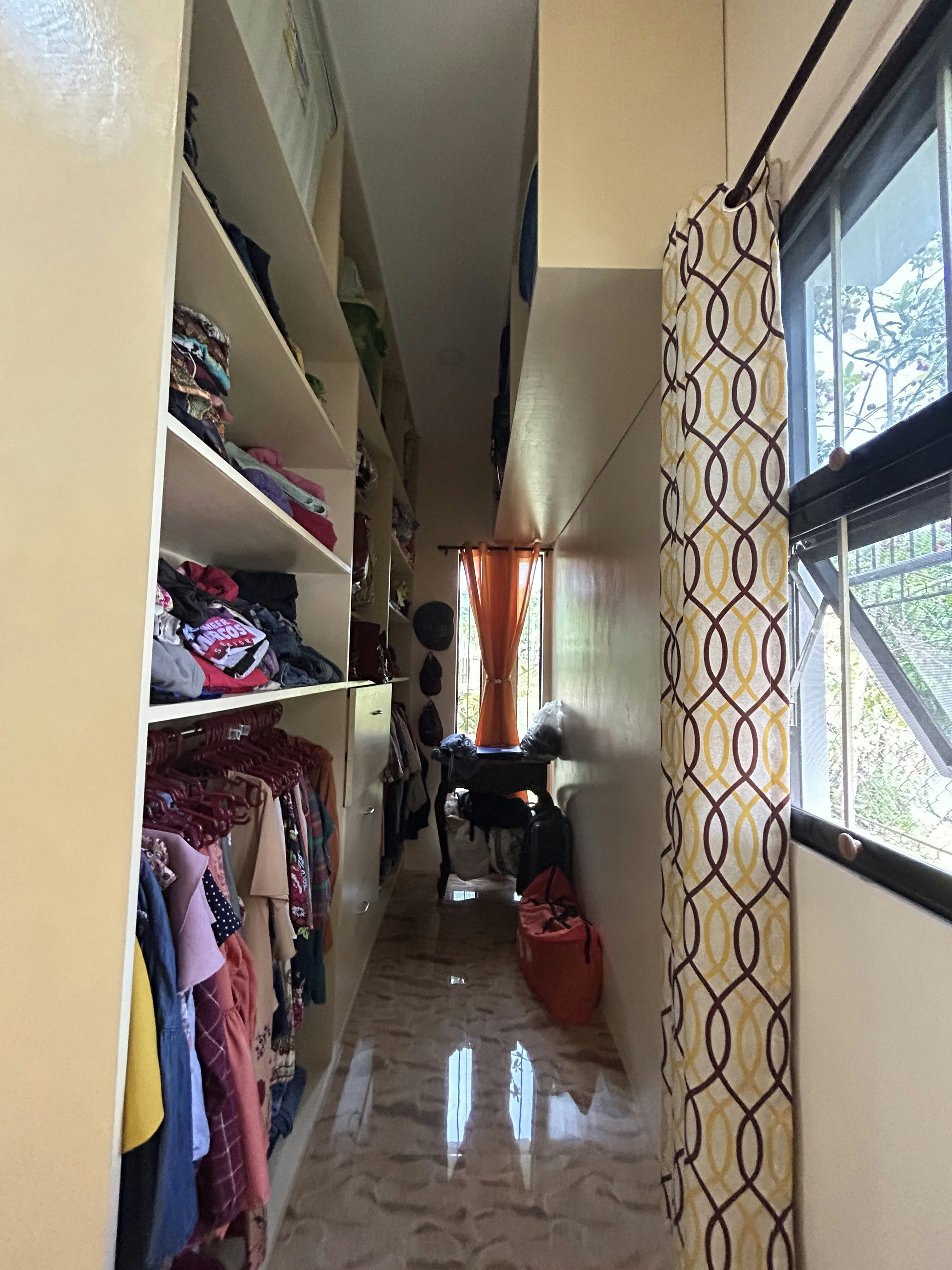
Walk-in closets are spacious, offering a full room-like environment for storage. Typically characterized by their ample square footage, these closets allow homeowners to step inside and utilize the space for hanging clothes, shelving, and drawers, alongside other organizational systems. Walk-in closets often feature additional amenities such as built-in lighting, islands for accessories, and mirrors, making them not only practical but also a luxurious addition to a master bedroom or dressing area. They are particularly advantageous for individuals with extensive wardrobes or those who value having a clutter-free visual space.
On the other hand, reach-in closets are more compact and designed to optimize storage in limited areas. Found commonly in bedrooms and hallways, these closets typically consist of a single or double door that opens to reveal a narrower space. Although smaller in size, reach-in closets can be efficiently organized with shelves, rods, and storage containers, making them suitable for apartments or smaller homes. Their design encourages smarter utilization of vertical space, allowing for an orderly arrangement of clothing and accessories without overwhelming the surrounding area.
Ultimately, the decision between a walk-in and reach-in closet will depend on factors such as available space, personal storage needs, and budget constraints. Understanding the basic characteristics of these two closet types serves as a foundation for further discussion on their benefits and the specific scenarios in which each is best used.
Benefits of Walk-In Closets
Walk-in closets offer a range of advantages that can significantly enhance both the functionality and aesthetic appeal of a home. One of the most notable benefits is their spaciousness. With ample room to navigate, walk-in closets provide an easy way to organize clothing and accessories, allowing homeowners to maintain an orderly environment. Unlike traditional reach-in closets, which can often feel cramped, walk-in versions offer a more expansive area for storage and display, making it easier to access and view items.
The organizational possibilities that come with walk-in closets are extensive. Homeowners can incorporate various storage solutions such as shelves, drawers, and hanging rods tailored to their specific needs. This level of customization ensures that every item has its place, minimizing clutter and enhancing overall room function. A well-designed walk-in closet can also accommodate accessories like shoe racks, built-in lighting, and even seating areas, thus elevating the user experience.
Moreover, the potential for custom designs adds to the appeal of walk-in closets. Homeowners can work with designers to create spaces that reflect their unique style and make efficient use of the available area. This flexibility means that, regardless of the size or configuration of the space, there are always innovative options to consider, maximizing storage and visual appeal.
Furthermore, investing in a walk-in closet can enhance the overall value of a home. Real estate professionals often note that well-designed walk-in closets are attractive selling points, increasing the market appeal of a property. Buyers are frequently drawn to homes with spacious, organized closets, viewing them as a reflection of the overall quality and care of the living space.
In summary, the benefits of walk-in closets, from their spaciousness and organizational advantages to their potential for customization and increased home value, make them a desirable choice for homeowners looking to optimize their storage solutions.
Benefits of Reach-In Closets
Reach-in closets are a popular choice for homeowners looking to maximize efficiency while maintaining functionality in smaller spaces. One of the primary advantages of these closets is their space efficiency. Unlike walk-in closets that require a considerable area, reach-in closets can be fitted into narrower spaces, making them ideal for apartments or smaller bedrooms. They allow homeowners to make the most out of limited square footage without sacrificing storage capabilities.
Another benefit of reach-in closets is their versatility in design. These closets can be customized with a variety of storage solutions such as shelves, hanging rods, and drawers, which cater to individual organizational needs. This flexibility enables homeowners to tailor their closet to fit specific items, from clothing to accessories, making it easier to maintain order and accessibility. Furthermore, reach-in closets can be seamlessly integrated into various interior design themes, enhancing the overall aesthetic of the room.
The ease of installation is also a significant advantage when considering reach-in closets. Compared to walk-in alternatives, which often require substantial renovations, reach-in closets can typically be installed with minimal disruption. Many homeowners find that they can enhance their storage solutions without the need for a contractor. Additionally, reach-in models are generally more cost-effective than walk-in closets, making them a practical choice for budget-conscious individuals. Considering the factors of space efficiency, design versatility, and easy installation, reach-in closets present an appealing option for those looking to optimize their home storage solutions.
Space Considerations: Measuring Your Area
When contemplating the installation of a walk-in or reach-in closet, the first step is to assess the available space in your home accurately. Proper measurement and understanding of your area will help you make an informed decision about which closet type will best meet your needs. Begin by selecting the room where you wish to install the closet, and take comprehensive measurements of the width, depth, and height of the space available.
For walk-in closets, consider the room dimensions carefully. Ideally, a walk-in closet should be a minimum of 5 feet by 7 feet to provide ample storage and movement space. This allows for built-in shelves or drawers on one or more walls, as well as room to navigate comfortably within the area. If the dimensions of your room allow for expanded designs, you can also incorporate lighting options and perhaps a small seating area to enhance functionality.
On the other hand, reach-in closets require significantly less depth, generally needing only 2 to 3 feet. The key to optimizing a reach-in closet’s capacity lies in utilizing vertical space effectively. Installing shelving units that extend upwards or adding hooks can significantly increase storage without compromising floor space. Consider your clothing and storage needs when determining the shelf heights and layouts.
Lastly, it is crucial to account for any architectural elements that may affect your closet’s configuration, such as windows, electrical outlets, or doorways. Effective planning will ensure that you maximize the space efficiently regardless of the closet type chosen. By understanding the limitations and possibilities of your area, you can make an educated choice that enhances your home’s functionality and aesthetic appeal.
Lifestyle Factors: Choosing Based on Your Needs
The choice between walk-in and reach-in closets largely revolves around individual lifestyle factors that can significantly impact storage needs. Understanding one’s daily habits and the types of items to be stored is crucial in making this decision. For instance, a single professional with a minimalist wardrobe might find a reach-in closet sufficient for their limited clothing and accessory collection. A reach-in option not only occupies less space but also provides an organized way to store essentials like suits, dresses, and shoes without overwhelming the individual with unnecessary expanse.
In contrast, families or individuals with extensive wardrobes generally prefer walk-in closets. The additional space allows for more organized storage solutions, catering to various items such as seasonal clothing, shoes for different occasions, and accessories. Families with children often require more storage to accommodate their kids’ clothing and items, making the walk-in closet an ideal choice for easy access and organization. Additionally, the flexibility of walk-in closets to include shelves, drawers, and hanging spaces can help in maximizing storage while easing daily access to clothing or items.
Another consideration is how frequently one engages in various activities requiring the use of clothing or gear. A fitness enthusiast, for instance, might prefer a walk-in closet that accommodates sportswear, shoes, and equipment, allowing for seamless transitions between activities. Conversely, those who have less extensive storage needs due to limited engagement in varied lifestyles may find a reach-in closet suffices for their requirements.
Ultimately, when reflecting on your lifestyle, assess your clothing volume, type of items, and how they fit into your daily routine. This thorough understanding can guide you toward selecting either a walk-in or reach-in closet that aligns with your needs, enhancing the organization and accessibility of your personal belongings.
Budgeting for Your Closet: Cost Analysis
When considering the installation of a closet, whether walk-in or reach-in, understanding the financial implications is crucial. Initially, walk-in closets typically represent a larger investment due to their size and complexity. The construction costs associated with walk-in closets can range significantly based on the design, materials, and any necessary renovation work. Basic installations might start around $1,000, while more elaborate setups with premium materials and customization can exceed $10,000.
In contrast, reach-in closets generally have lower upfront costs. The expense for these models often sits between $500 to $3,000, particularly if existing frameworks are utilized with minor alterations. However, the lower initial cost does not necessarily reflect the overall value. Walk-in closets often provide better space management options and can enhance property appeal, making them a potentially lucrative choice for long-term investment.
Another crucial aspect to consider is potential returns on investment (ROI). Walk-in closets can significantly boost home value, attracting buyers seeking spacious and organized living environments. Real estate studies consistently indicate that homes with updated storage solutions, especially walk-in designs, see an increase in market interest and price, sometimes recovering over 70% of construction costs upon resale.
Furthermore, long-term costs associated with closet maintenance and organization should be factored into the budget. While both types require regular upkeep, walk-in closets may incur higher expenses due to their larger size and the need for sophisticated systems and furniture. Reach-in closets, conversely, might require fewer resources, especially with proven organizational strategies and storage solutions.
In summary, analyzing the costs of walk-in versus reach-in closets involves evaluating initial expenses, potential resale value, and ongoing maintenance needs. Assessing these financial elements will help guide the decision-making process for selecting the ideal closet for your home.
Aesthetic Considerations: Style and Design
When selecting a closet for your home, the aesthetic appeal is a crucial factor to consider. Both walk-in and reach-in closets offer unique design opportunities that can significantly enhance your living space. A walk-in closet, characterized by its spaciousness, often serves as a sanctuary for personal belongings, allowing for more extensive customization in terms of design and finishes. This type of closet can be transformed into a beautifully appointed dressing area, complete with decorative lighting, elegant mirrors, and personalized shelving that complements your overall home decor.
Conversely, reach-in closets are designed to offer functionality in smaller spaces, making them ideal for more compact areas. They can still be aesthetically pleasing through the thoughtful use of sliding doors, stylish hardware, and coordinated color schemes. Custom shelving solutions can maximize storage while enhancing the visual appeal of the space. The inclusion of decorative elements such as organizational bins and hanging organizers also promotes a cohesive look, enabling you to keep your belongings stylishly arranged.
Customization options play a significant role in achieving the desired aesthetic. Both closet types can be tailored to match your personal style, whether that leans towards contemporary minimalism, rustic charm, or classic elegance. From selecting finishes that coordinate with your existing home decor to choosing colors that reflect your personality, the design possibilities are virtually limitless. A well-planned closet should not only serve its purpose as a storage space but also contribute to the overall ambiance of your home, making it more inviting and organized.
Therefore, when assessing whether a walk-in or reach-in closet is the better choice, consider how each option aligns with your aesthetic preferences and the existing design elements of your home. A thoughtful approach to style and design can ensure that your chosen closet beautifully complements your living space while effectively meeting your storage needs.
Maintenance and Organization Tips
Proper maintenance and organization of your closet can significantly enhance functionality and accessibility, be it a walk-in or reach-in design. One effective strategy is to categorize items by their use. Seasonal clothing, shoes, and accessories should be stored separately and rotated as needed to maximize space and keep your closet organized. For instance, consider using clear storage bins for off-season items; this not only keeps them dust-free but also allows easy identification at a glance.
Additionally, incorporating vertical space is crucial, especially in reach-in closets where space may be limited. Shelving units, hooks, and cascading hangers can optimize storage capacity, allowing you to make the most of every inch available. For walk-in closets, consider an adjustable system that can accommodate your needs as they evolve over time. This flexibility is key, particularly for growing families or changing fashion trends.
Consistency is another important factor in maintaining an organized closet. Implement a weekly or bi-weekly review where you assess the contents, removing items you no longer use or need. This practice will help you avoid clutter and make room for new items. You may also opt to donate or recycle these items, promoting sustainability while benefiting others.
Lastly, consider investing in organizational tools such as drawer dividers and garment bags. These tools can greatly simplify the process of keeping items organized. Labels are also beneficial in both types of closets; they help ensure that everything has its designated space and make it easier for other family members to return items to the right spot. By integrating these maintenance and organization tips, you can create efficient and visually appealing closet spaces tailored to your unique storage needs.
Conclusion: Making the Right Choice for Your Home
Choosing between a walk-in and a reach-in closet requires careful consideration of various factors that impact functionality and overall aesthetics. Both types of closets come with their unique advantages and potential drawbacks. Walk-in closets offer ample space, allowing for organized storage solutions, easy access, and the ability to display clothes and accessories creatively. With sufficient square footage, they enable efficient organization, catering to those with extensive wardrobe needs. However, walk-in closets demand larger areas, making them less suitable for smaller homes or apartments.
On the other hand, reach-in closets are ideal for maximizing space in homes where every square foot counts. These closets are an excellent choice for smaller bedrooms, providing sufficient storage without overwhelming the room. Their streamlined design allows for easy access to items while promoting a tidy appearance. Nevertheless, reach-in closets may limit storage capacity and accessibility for those with larger collections of clothing and accessories. This constraint may necessitate additional solutions like dressers or shelving units.
When making a final decision, it is essential to reflect on personal circumstances, such as the size of your home, your storage needs, and your design preferences. Consider the layout of your living space and how each closet type will integrate into that design. Additionally, it may be beneficial to evaluate potential growth in your wardrobe to ensure the chosen solution remains functional in the long term.
Ultimately, both walk-in and reach-in closets can enhance your living space if chosen wisely. By weighing the pros and cons of each option and considering your individual needs, you can make an informed decision that aligns with your lifestyle and enhances the organization of your home.


Devon Lane

- Design Services (1)
- Fashion (1)
- Genel (20)
- Home & Garden (1)
- Home & Lifestyle (1)
- Home Improvement (15)
- Interior Design (1)
- Smart Storage Solutions for Small Apartments 01/26/2026
- Closet Organization Tips for a More Functional Home 01/19/2026
- Unlocking Style and Functionality: The Benefits of Modular Closets for Modern Homes 01/12/2026
- Maximizing Your Living Space: The Benefits of Modular Closet Systems 01/05/2026
- Closet on a Budget: Smart Storage Ideas for Montgomery County Homes 12/26/2025