FREE SHIPPING FOR ORDERS OVER $2500 – DISCOUNTS ARE IN BLOOM! 30% OFF ALL CLOSETS!
DISCOUNTS ARE IN BLOOM! 30% OFF ALL CLOSETS!


Ciri Blog

Same-Day Transformation: A Step-by-Step DIY Guide to Installing Modular Closets
Introduction to Modular Closets
Modular closets represent a modern solution to the ever-present issue of home organization and efficient use of space. These systems feature individual components that can be assembled in various configurations, allowing homeowners to create a customized closet that meets their specific needs. Unlike traditional closet setups, which often require extensive remodeling and permanent fixtures, modular closets are designed for flexibility and ease of installation.
One of the major advantages of modular closet systems is their adaptability. Homeowners can easily reconfigure or expand these units as their storage needs change over time. For instance, if a family grows or the use of the space evolves, the modular design allows for quick adjustments without the need for professional intervention. This feature is particularly beneficial for those who frequently reassess their belongings or wish to modify their storage solutions.
Furthermore, modular closets come in a variety of styles, materials, and finishes, making them suitable for diverse aesthetic preferences and different room environments. Whether one seeks a minimalist design for a contemporary space or a more classic look for a traditional home, there are modular options available to complement the existing décor. The customization extends beyond appearance; modular systems also enable users to mix and match components such as shelving, drawers, and hanging rods tailored to their particular organizational priorities.
In summary, modular closets are an appealing alternative for individuals interested in a quick and effective home transformation. Their inherent flexibility, customization possibilities, and ease of assembly make them a practical option for optimizing storage space in any home. As a result, they are increasingly becoming the preferred choice for those seeking stylish yet functional organizational solutions.
Choosing the Right Modular Closet System
Selecting the ideal modular closet system requires careful consideration of various factors to ensure it meets your specific needs. First and foremost, one must assess the available space dimensions in the area designated for the closet. Measure the height, width, and depth of the area, taking note of any architectural features like windows or doors that may influence the design.
Next, it is essential to determine the types of storage needed. This assessment should include evaluating how many items you need to store, such as clothing, shoes, and accessories. Consider the types of clothing in your wardrobe, including long dresses, suits, and casual wear. Modular systems often provide customizable options such as hanging rods, shelves, and drawers, allowing you to create a tailored solution that meets your storage requirements.
Moreover, the style of the modular closet should harmonize with your existing decor. Whether your aesthetic leans towards contemporary, traditional, or minimalist, there are various designs available in the market that can complement your home’s interior. Pay attention to the finishes and colors that resonate with your taste, as these will significantly impact the overall visual appeal and coherence of your space.
Lastly, while considering quality and budget, it is prudent to explore different brands and product lines. Look for modular closet systems that are crafted from durable materials, ensuring longevity and functionality. Read user reviews and compare prices to identify options that offer the best value without compromising on quality. Local home improvement stores, online retailers, and specialized closet companies can provide a variety of choices to suit different budgets. By following these guidelines, you will be well-prepared to choose a modular closet system that enhances the functionality and aesthetics of your space.
Essential Tools and Materials Needed
Installing a modular closet can be an enriching DIY project that maximizes your storage space while allowing for personalization. However, before you begin this endeavor, it is vital to gather the necessary tools and materials to ensure a smooth installation process. Below is a comprehensive checklist of what you will need.
First, let’s start with the essential tools. A reliable measuring tape is crucial for accurate dimensions of your closet space, preventing any miscalculations. Additionally, a level is necessary to ensure that your shelves and rods align properly for both aesthetics and functionality. Screwdrivers, preferably a mix of Phillips and flathead types, will be essential for securing various components. A drill is also highly recommended for easily fastening screws and making precise holes in your walls if wall-mounted units are being installed. Lastly, a stud finder can be invaluable for locating the strongest points in your walls, minimizing the risk of accidents.
Once you have the tools on hand, it’s time to consider the materials required for your modular closet installation. You will need a variety of shelves that fit the dimensions of your closet. These may be solid wood, MDF, or wire, depending on your design preference. Brackets are necessary to support the shelves, ensuring they remain sturdy and safe under weight. Furthermore, storage bins or baskets can enhance organization and accessibility, allowing you to store various items neatly. Additional fixtures like closet rods for hanging clothes, drawer units for smaller items, and decorative elements can also elevate the overall design.
By preparing with the right tools and materials, you will be better equipped to undertake your modular closet project, paving the way for a successful transformation that meets your organizational needs.
Planning Your Closet Layout
Effective planning is crucial when it comes to installing modular closets. To begin, gather all the necessary tools such as a measuring tape, graph paper or design software, and a pencil. Measuring your closet space accurately ensures that the modular units will fit properly without any awkward gaps or overcrowding. Start by measuring the width, height, and depth of your closet. Note any architectural elements such as poles, vents, or electrical outlets that may affect your layout.
Once you have precise measurements, sketching out the design on paper can be immensely helpful. Draw the outline of your closet as per the measurements and start laying out where each modular unit will go. Consider how you intend to use the space. For instance, if you have a significant number of shoes, incorporate shelving or racks specifically designed for footwear. In contrast, if you are working with more clothing items, prioritize hanging spaces in your design. Additionally, remember to visualize the space’s overall flow; ensure that everything is easily accessible without having to scramble or move items around constantly.
For those who prefer digital assistance, various software tools can facilitate your closet layout planning. These tools often provide drag-and-drop functionalities, allowing users to visualize their space more effectively. They may also offer pre-designed templates suited for different closet sizes and configurations. By using these technologies, you can quickly adjust sizes and positions to find the most optimal setup that suits your storage needs.
Ultimately, the planning phase sets the foundation for a successful modular closet installation. Taking the time to accurately measure and thoughtfully design your space will significantly enhance both storage efficiency and aesthetic appeal, creating a well-organized and visually pleasing environment. This thorough preparation will serve you well as you move forward in your DIY project.
Step-by-Step Installation Process
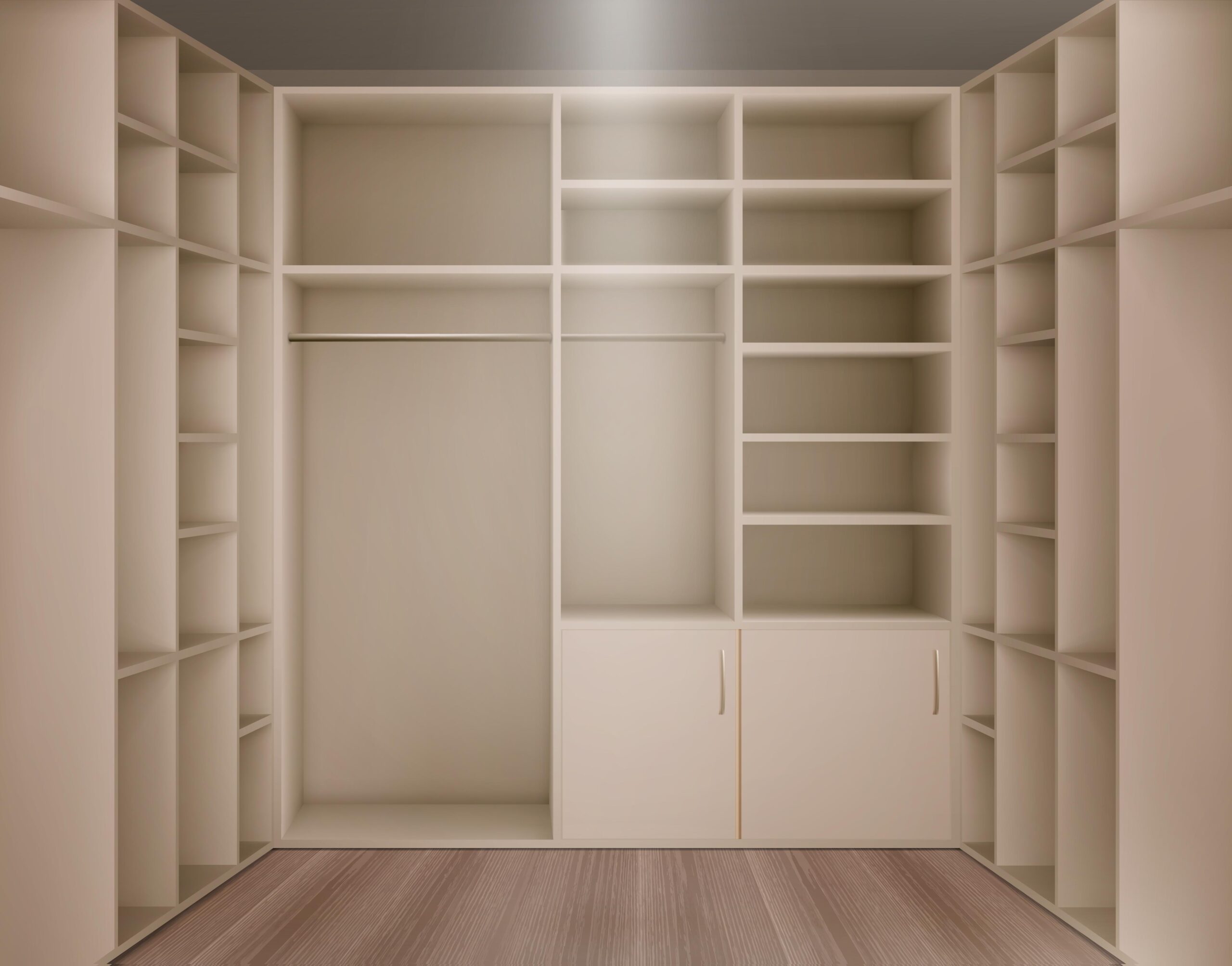
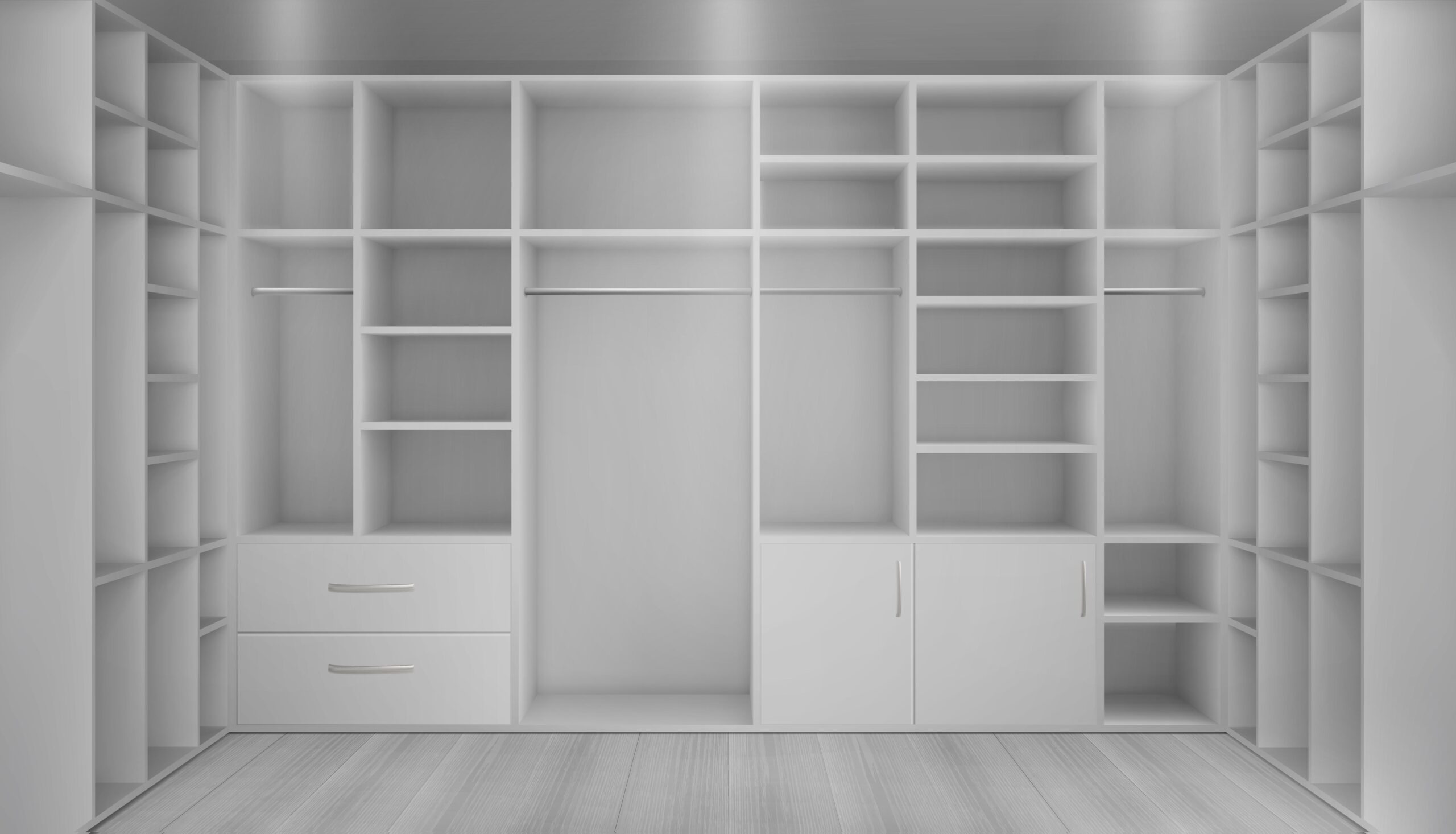
Installing modular closets can be a straightforward affair when approached methodically. To start, gather all necessary tools and materials, including a level, drill, screwdriver, measuring tape, and the modular closet components. Before commencing, it is essential to assess the installation area. This involves measuring the space where the closet will be installed, ensuring that you account for any potential obstacles such as doors or electrical outlets. Following these measurements will guide you in determining the configuration of your modular closet.
Once the area is prepared, the next step is to mount the brackets that will support the modular system. Ideally, locate the wall studs using a stud finder, as this will provide the best support for your installation. Secure the mounting brackets to the wall according to the manufacturer’s instructions, ensuring they are level. Any discrepancies in leveling could lead to issues later in the installation process.
After the brackets are securely affixed, begin assembling the components of your modular closet. Depending on the design, various pieces may need to be connected, such as shelves, drawers, and hanging rods. Carefully follow the instructions provided with your modular closet kit, paying close attention to alignments and connections. It is advisable to work in a systematic manner; start with the larger components and gradually incorporate smaller pieces to create a cohesive structure.
Securing the shelves is a critical step. Ensure that each shelf is placed firmly into its designated brackets and is aligned properly. To avoid potential pitfalls, double-check all connections and stability before placing any items in the closet. This thorough approach guarantees a well-fitted modular closet that maximizes both functionality and aesthetics. As you follow these steps, remember to work carefully and remain patient, as this will set the foundation for an effective organization system.
Smart Organization Tips for Your Modular Closet
Once your modular closet is installed, the next essential step is organizing it efficiently to achieve a functional and visually appealing space. A well-organized closet not only simplifies your daily routine but also enhances the overall ambiance of the room. The key to successful organization lies in strategic planning and smart use of available space.
Start by categorizing your items. Divide clothing, accessories, shoes, and other belongings into specific categories. This helps in creating a logical layout, facilitating easier access to items when needed. Designate sections for seasonal items, formal wear, casual clothing, and frequently used accessories. This categorization allows you to keep similar items together and reduces the time spent searching for particular items.
Incorporating decorative storage boxes can be a game-changer in a modular closet. These boxes not only provide a neat appearance but also serve to conceal items that might detract from the overall aesthetic. Use these boxes to store off-season clothing, extra shoes, or other accessories that you do not use frequently. Labeling these boxes can further enhance accessibility, making it easy to locate particular items without excessive rummaging.
To maximize vertical space, consider utilizing multiple levels of shelves, hanging rods, and potential storage bins. By taking advantage of the height of your closet, you can store less frequently used items higher up, while keeping everyday necessities within reach. Adding hooks to the back of doors or side panels can also allow for more storage options for items such as hats, bags, or belts.
Lastly, ensure that frequently used items are easily accessible. Keeping daily essentials within arm’s reach and at eye level can streamline your routine and make finding the right outfit or accessory a breeze. By implementing these organization strategies, your modular closet will not only remain tidy but will also become a functional space tailored to meet your personal needs.
Finishing Touches: Decor and Personalization
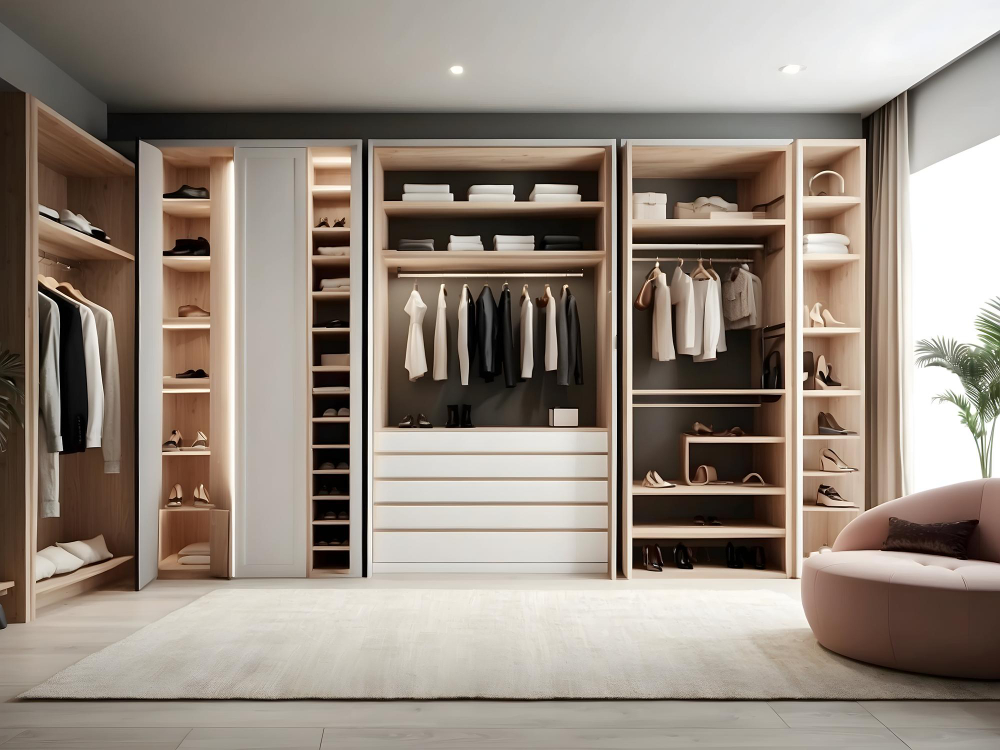
Once your modular closet installation is complete, the next step is to personalize the space to reflect your unique style and preferences. The finishing touches can significantly enhance the overall look and functionality of the closet, transforming it from merely a storage area to a place that feels distinctly yours.
One effective way to add a personal touch is through decorative storage solutions. Consider using chic baskets or colorful bins to store smaller items while maintaining an organized appearance. These can be placed on shelves to create visual interest, while also being practical. Additionally, labels can be applied to bins and baskets, not only aiding in organization but also contributing to the aesthetic appeal.
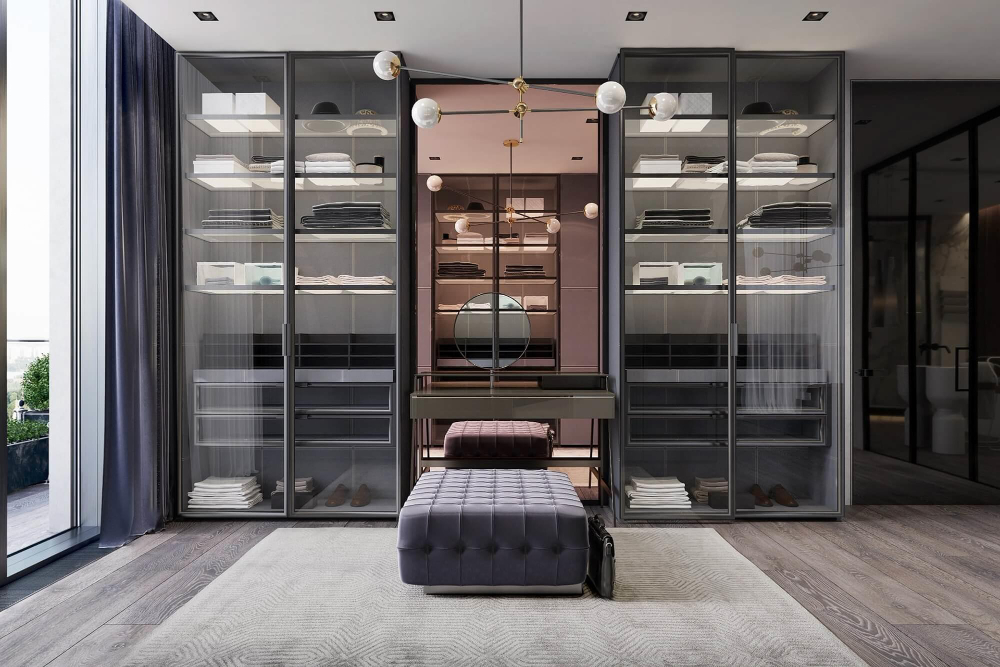
Lighting also plays a crucial role in the ambiance of your modular closet. Upgrading the existing lighting fixtures to stylish pendant lights or track lighting can make a significant difference. LED strip lights along shelves can provide a modern touch and ensure every corner is well-lit, perfect for showcasing your wardrobe while making the space more inviting. Another option is installing a mirror with backlighting; it serves a dual purpose by enhancing the functionality of the closet while adding an elegant design element.
Incorporating personal decor items is another excellent way to customize your closet. Artwork or framed photographs can be displayed on shelves or walls to infuse the space with your personality. Additionally, scented sachets or decorative hangers can enhance the sensory experience of your closet, making it not only visually appealing but also inviting and pleasing to the senses.
By thoughtfully choosing decorative elements, lighting options, and accessories, you can create a modular closet that feels harmonious with your home and reflects your personal style. This attention to detail will transform it into a functional, beautiful space tailored to your needs.
Maintenance and Care for Your Modular Closet
Proper maintenance and care of your modular closet are essential to ensure its longevity and functional efficiency. A well-maintained modular closet can enhance organization and improve the overall aesthetic of your space. Below are several key tips to keep in mind.
Firstly, regular cleaning is vital. Use a soft, damp cloth to wipe down surfaces to remove dust and dirt. For more persistent stains, a mild soap solution can effectively restore the closet’s appearance. Avoid using harsh chemical cleaners, as they can damage surfaces and reduce the life expectancy of the materials. Ensure that you occasionally check for signs of wear and tear, especially in areas that experience frequent use.
Secondly, organization plays a crucial role in maintaining your modular closet. It is advisable to declutter on a regular basis, removing items that are no longer needed or frequently used. This not only creates a more organized environment but also helps to prevent overcrowding that could strain the system. Utilizing organizers, such as bins and shelves, can optimize space and make it easier to find and access your belongings.
Lastly, consider making adjustments or upgrades over time to keep your modular closet functional and visually appealing. Modular systems are designed for flexibility; you can easily reconfigure shelves or add components as your storage needs change. This not only enhances the utility of the closet but also allows you to adapt to new trends in home décor. As the years go by, revisiting your closet setup can provide inspiration for refreshing your space.
In conclusion, with proper care and maintenance, your modular closet can continue to serve its purpose effectively while contributing positively to your home environment.
Conclusion: Enjoying Your Transformed Space
Completing the installation of a modular closet can be one of the most rewarding DIY projects. Not only does it drastically improve your storage efficiency, but it also transforms the aesthetic appeal of your living space. This transformation allows you to maximize every inch of your room while showcasing a clean, organized look. The steps you took to achieve this DIY success not only demonstrate your commitment to improving your home but also provide a sense of accomplishment that is truly gratifying.
Now that you have successfully installed your modular closet, take a moment to appreciate the changes it has brought to your environment. The organized, tidy space not only makes it easier to find and access your belongings but also creates a more inviting atmosphere overall. It is essential to enjoy the fruits of your labor, and revel in the fact that you have completed this project on your own terms.
As you bask in the satisfaction of your transformed space, consider how this project might inspire future home improvement endeavors. The tools and skills you developed during the installation process can be applied to various other areas of your home, whether it involves updating furniture arrangements, enhancing design features, or embarking on new organizational projects. Each successful endeavor will not only further beautify your surroundings but will also enhance your practical living experience. Your journey does not have to end here; rather, it can mark the beginning of an ongoing relationship with enhancing your home.
In conclusion, relish the transformation you brought to your space with your modular closet installation. With each improvement, your home becomes a more personalized reflection of your style and needs, encouraging you to continue exploring the broad possibilities of DIY projects.
Devon Lane

- Design Services (1)
- Fashion (1)
- Genel (20)
- Home & Garden (1)
- Home & Lifestyle (1)
- Home Improvement (15)
- Interior Design (1)
- Smart Storage Solutions for Small Apartments 01/26/2026
- Closet Organization Tips for a More Functional Home 01/19/2026
- Unlocking Style and Functionality: The Benefits of Modular Closets for Modern Homes 01/12/2026
- Maximizing Your Living Space: The Benefits of Modular Closet Systems 01/05/2026
- Closet on a Budget: Smart Storage Ideas for Montgomery County Homes 12/26/2025